

By: Chahat Sharma
What does it mean to keep a tradition alive?
Is preservation about holding on to a practice exactly as it has been inherited, or can continuity also mean allowing knowledge to change, adapt and find new relevance? Across India, textile and craft traditions have always evolved through the hands of the people who practise them. Techniques travel across generations, materials respond to changing environments and stories find new forms through making.
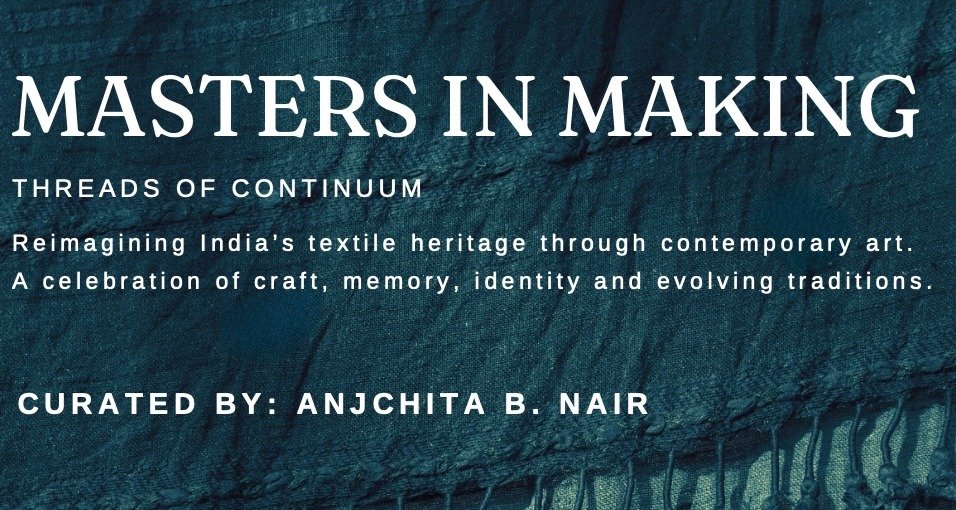
It is this idea of a living heritage that lies at the heart of Masters in Making, a grant initiative by Burgoyne Original Masters (BOM) in collaboration with Art Culture Festival (ACF). The inaugural exhibition “Threads of Continuum: Reweaving the Future of Heritage,” curated by Anjchita B. Nair brings together artists, designers, artisans and collectives who are engaging with India’s textile and craft traditions through distinctly contemporary practices.
The initiative does not look at heritage as something fixed in the past. Instead, it asks what happens when inherited knowledge is carried into the present when an old weaving technique is reimagined through new materials, when an endangered embroidery practice becomes a source of livelihood, when discarded textiles are transformed, or when cloth becomes a way of speaking about ecology, identity, memory and labour.
The final exhibition brings together 15 finalists, alongside the five grant recipients, creating a diverse constellation of practices connected by an interest in making, material and continuity.
Five Masters in Making
At the centre of the initiative are five grant recipients, whose practices represent different ways in which traditional knowledge can continue to live and evolve.
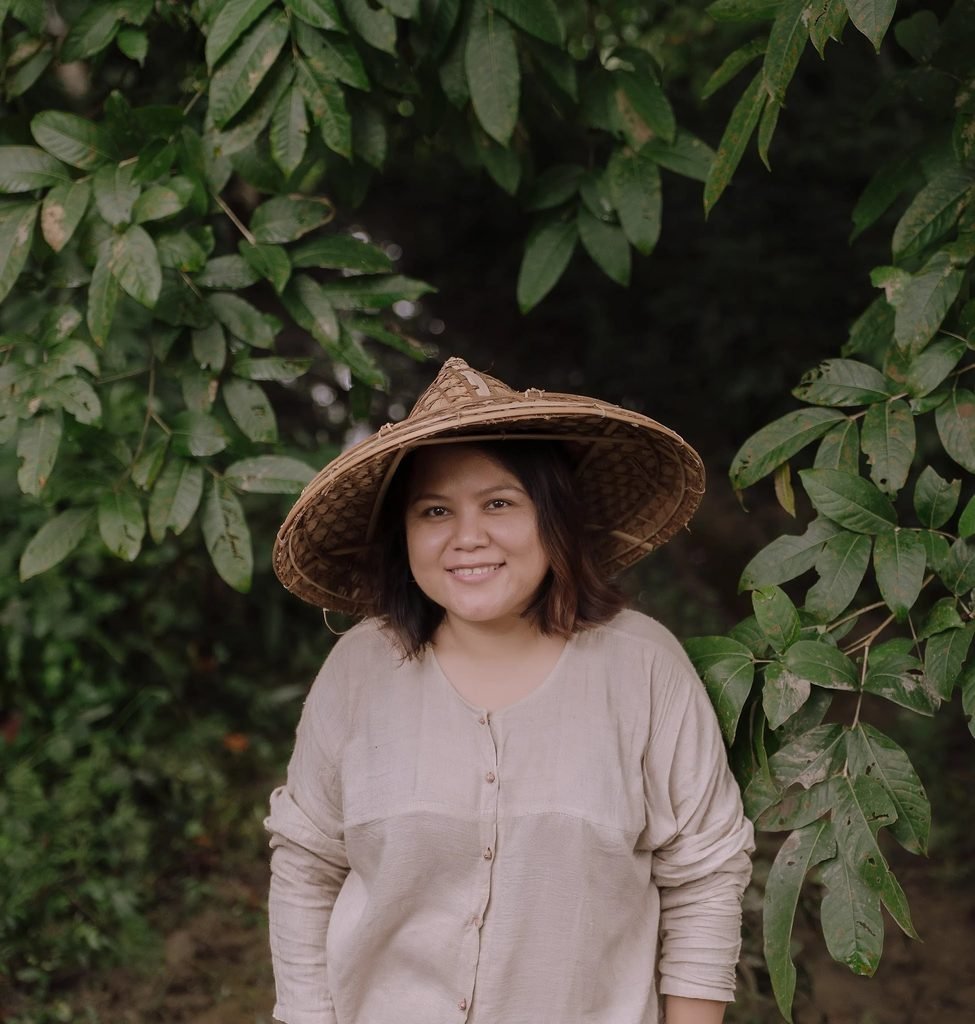
Textile artist, researcher and founder and Creative Director of Way of Living Studio, Jagrity Phukan works from a deeply personal relationship with the landscapes, people and living traditions of Assam and the Brahmaputra Valley. Her practice moves across textiles, material research, craft and community practice, exploring the relationship between ecology, labour, memory and belonging. Through her Soil to Silk – Fibre to Fashion approach, she works alongside sericulture farmers, spinners, dyers, weavers and indigenous knowledge holders, tracing materials from their ecological origins through their transformation by human hands.
For Phukan, heritage is not a fixed inheritance but an evolving knowledge system. Her work asks us to consider craft as a relationship between people, place, ecology and economy, and to imagine systems in which communities and landscapes can thrive together.
Second Position: Porgai Artisan Association
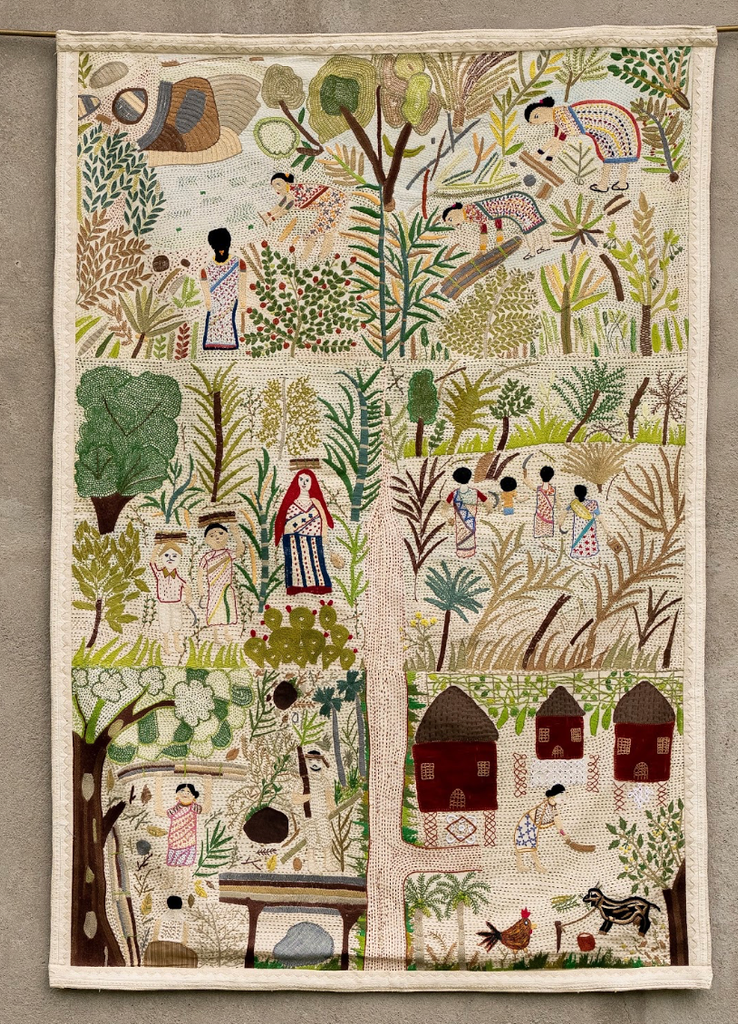
In Sittilingi Valley in Tamil Nadu, Porgai Artisan Association has built its practice around the revival of Lambadi embroidery and the creation of sustainable livelihoods for women artisans. The tradition had nearly disappeared as Lambadi women moved away from traditional dress, before master artisans Neela and Gammi began reviving it in 2006 and subsequently founded the collective in 2009. Today, Porgai is owned and run by artisans and provides livelihoods to women working from their homes.
For Porgai, preserving a craft also means preserving the community that sustains it. Fair wages, respect for handmade skill and the possibility of livelihood within the village become part of the larger act of cultural preservation.
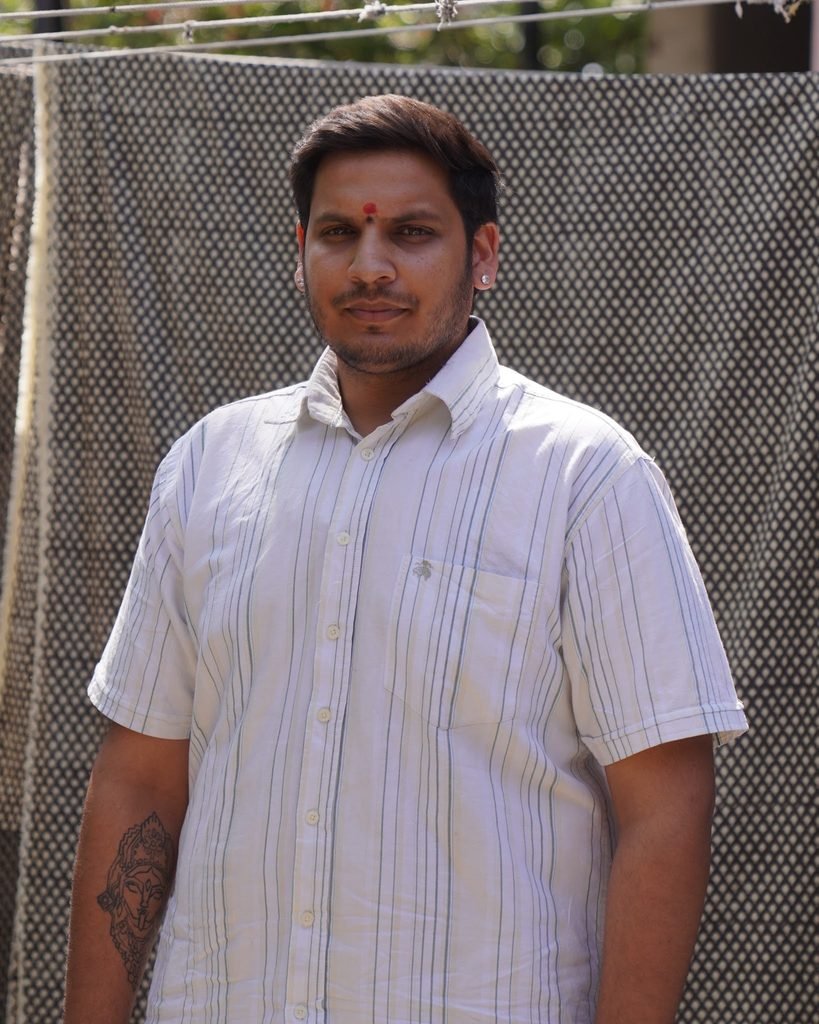
A fifth-generation textile artist and designer from Bagru, Rajasthan, Dinesh Chhipa grew up surrounded by hand block printing, dyeing and washing. His formal education at the Indian Institute of Craft & Design allowed him to encounter his inherited practice through a new lens, understanding Bagru printing not simply as a traditional technique but as an ecosystem of knowledge, culture, sustainability and human connection.
His work focuses on reviving endangered processes, including the lesser-known Fadat printing technique, while bringing traditional methods into contemporary design without compromising their integrity.
Third Position: Jitendra Maganbhai Dhaiyda
A Tangaliya handloom weaver from Adhoi village in Kutch, Gujarat, Jitendra Maganbhai Dhaiyda comes from a family that has preserved Tangaliya weaving for nearly 700 years. Having learnt the craft from his grandfather and father, he has spent 16 years practising and reviving the tradition, combining traditional Tangaliya techniques with contemporary designs and materials.
His commitment extends beyond his own practice. Dhaiyda has trained 200 students and collaborated with institutions, researchers and designers to promote and develop Tangaliya weaving, making transmission an essential part of his practice.
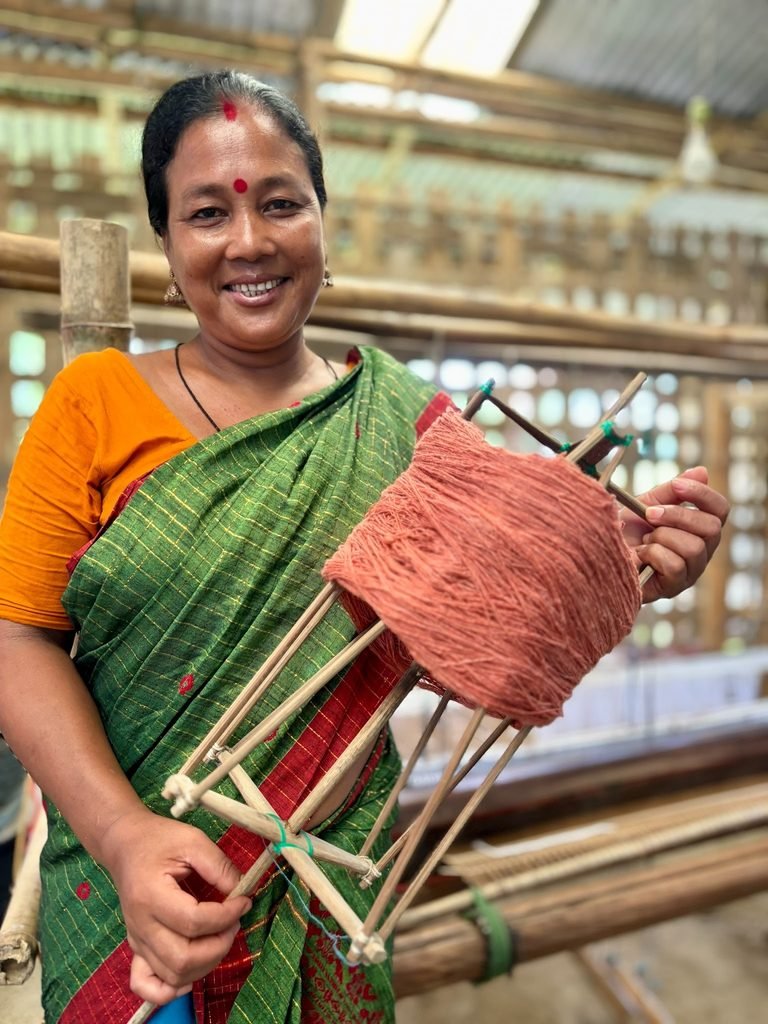
Kanmai Payun, a master handloom weaver from the Mishing community of Majuli, carries forward rare weaving techniques including Fulor Saneki, Gadu and four-paddle weaving on the traditional earth loom. Her practice is also connected with the work of Kiron Foundation, which supports the preservation and continuation of indigenous textile knowledge and livelihoods in Majuli.
The Fifteen Finalists: Many Threads, One Continuum
The wider group of finalists expands the conversation beyond conventional ideas of craft preservation.
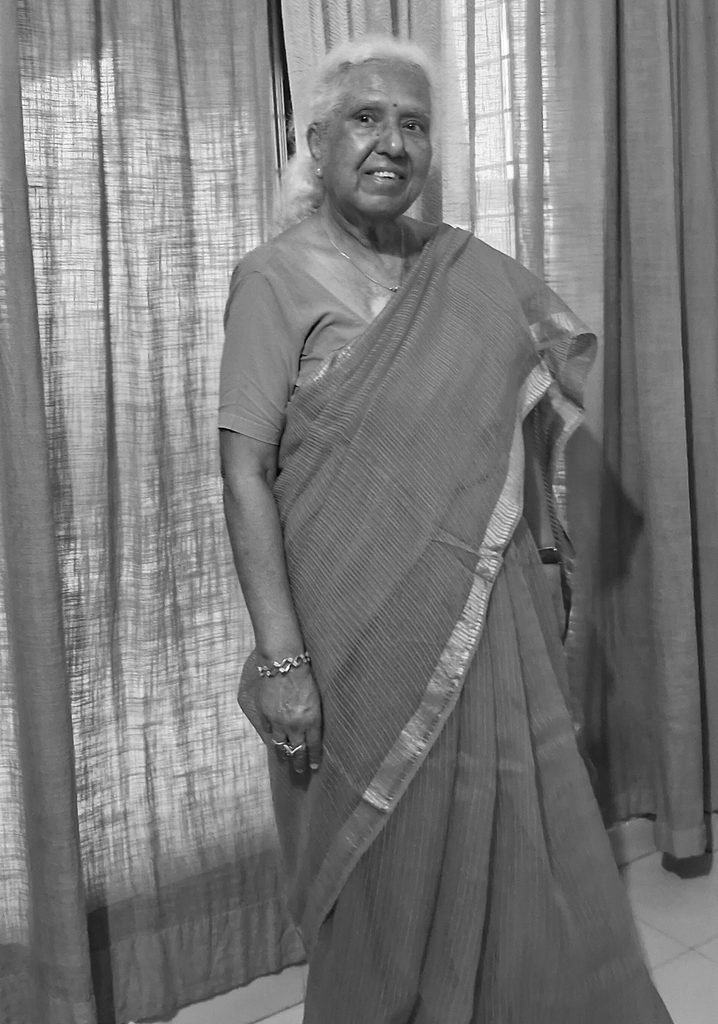
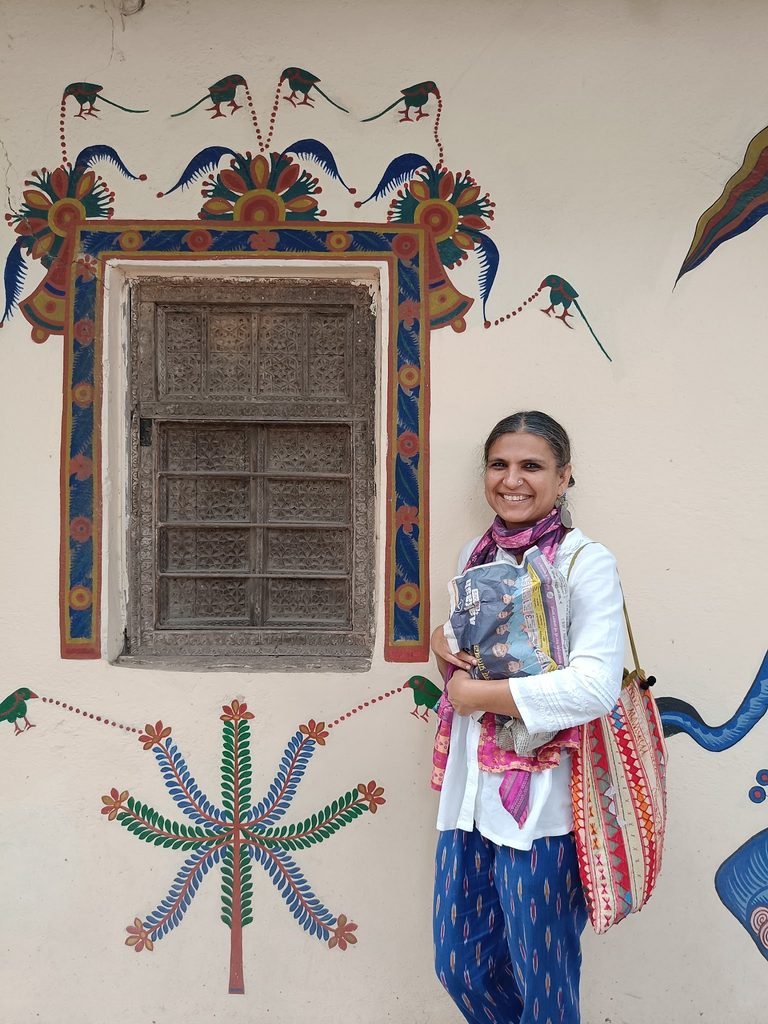
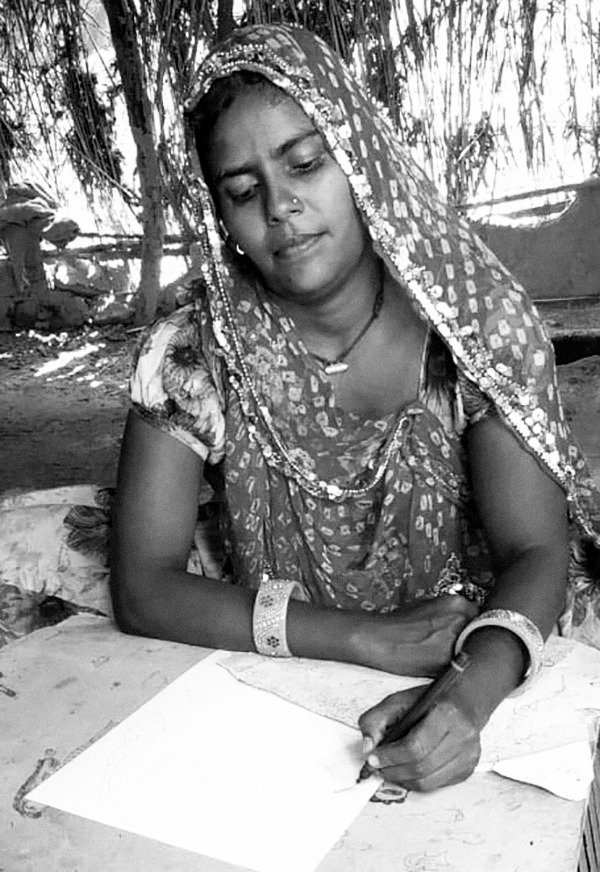
Pooja Dhingra, Usha Dhingra and Sangita Jogi come together as one finalist entry, bringing participatory design, embroidery and lived experience into conversation. Pooja’s Rafooghar—the house that mends creates a space where women gather to embroider and share stories, treating making as a form of collective connection. Sangita Jogi’s practice draws from her experiences of womanhood, labour, caregiving, aspiration and survival, while Usha Dhingra’s return to embroidery after three decades adds another dimension to the idea of craft as something that can be resumed, remembered and reclaimed.
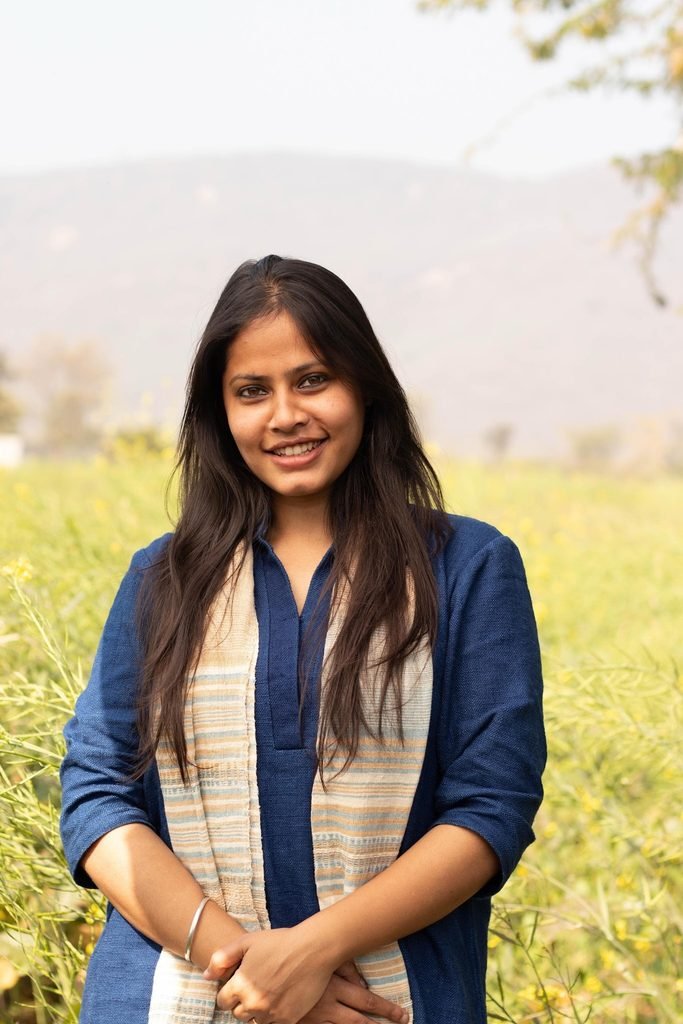
For Juhi Sharma, craft is deeply connected to community and documentation. Her work with women from nomadic, denotified and Indigenous communities in Rajasthan brings together embroidery, natural dyeing, handspinning and handweaving. Her practice considers craft knowledge as something that carries histories, identities and memories while continuing to evolve.
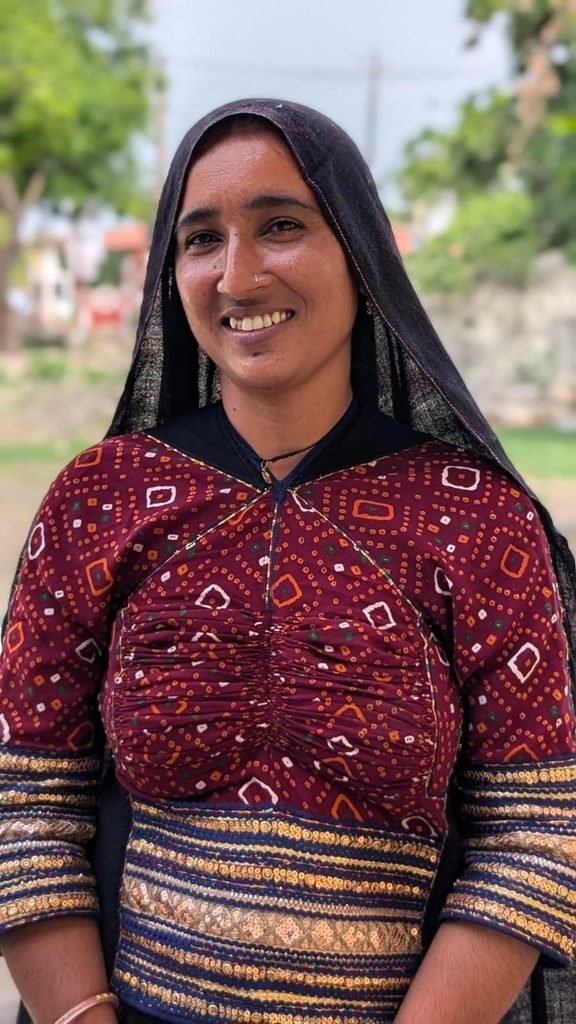
Geeta Rabari, a Dhebariya Rabari artisan from Kutch, works within a rich tradition of hand-stitched mirror embroidery. Drawing from nature, local flora and fauna and traditional storytelling, her practice demonstrates how a community’s visual language can continue to find expression through contemporary contexts.

Malvika Kaushik approaches textile through material curiosity and research. Her practice moves across textile design, craft, fibre study and product development, working closely with craft communities to understand materials and techniques before exploring how they can be reinterpreted. For her, innovation does not necessarily mean inventing something entirely new; it can emerge from looking at what already exists differently.
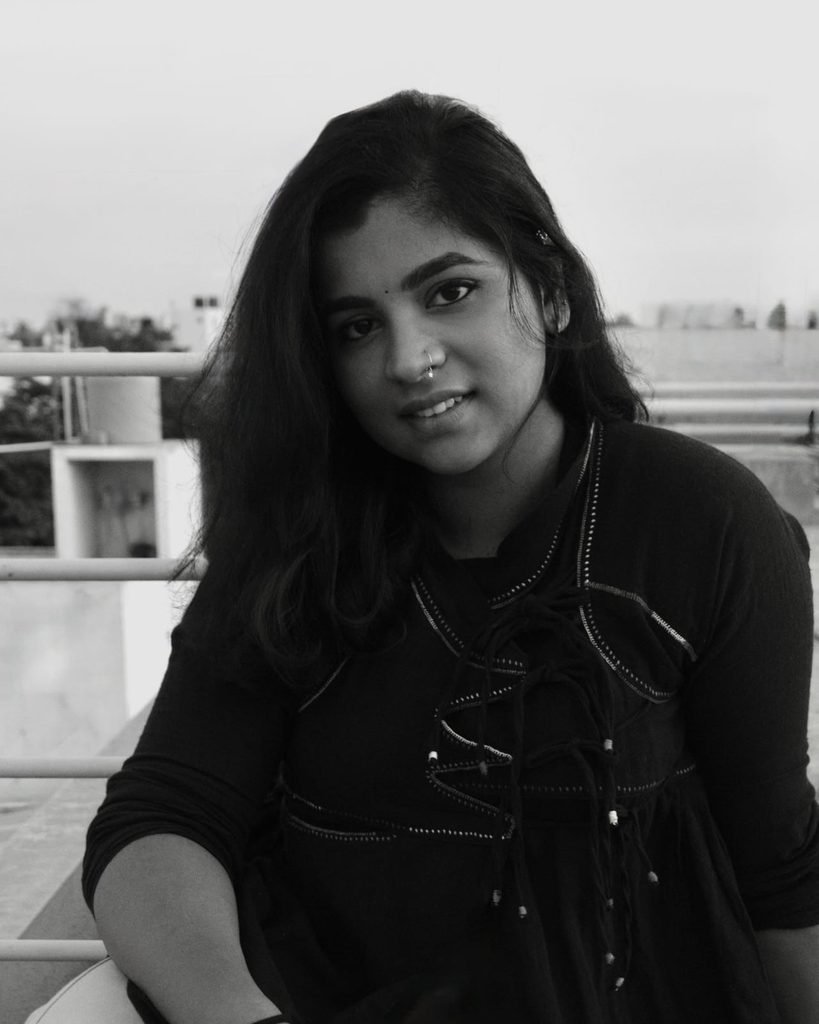
Kalyani Prasad similarly explores how inherited textile systems can find contemporary relevance without being stripped of their integrity. Her work considers how existing techniques and material systems can be translated into new forms while remaining rooted in the communities and knowledge systems from which they emerge.
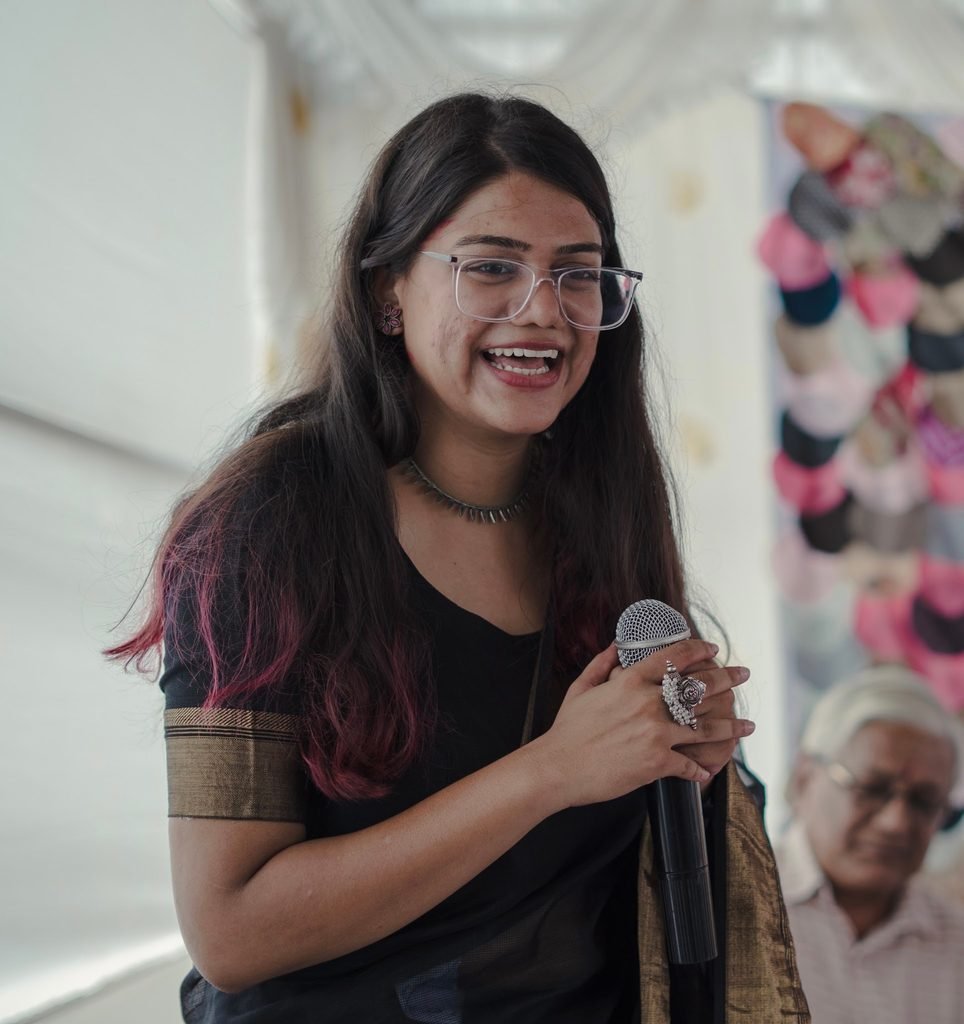
Upraant Foundation, founded by Riddhika Bhandari, works at the intersection of textile waste, craft preservation and women’s livelihoods. Discarded textiles are reimagined through techniques including Kantha embroidery, while women artisans are trained to combine inherited skills with contemporary design sensibilities.
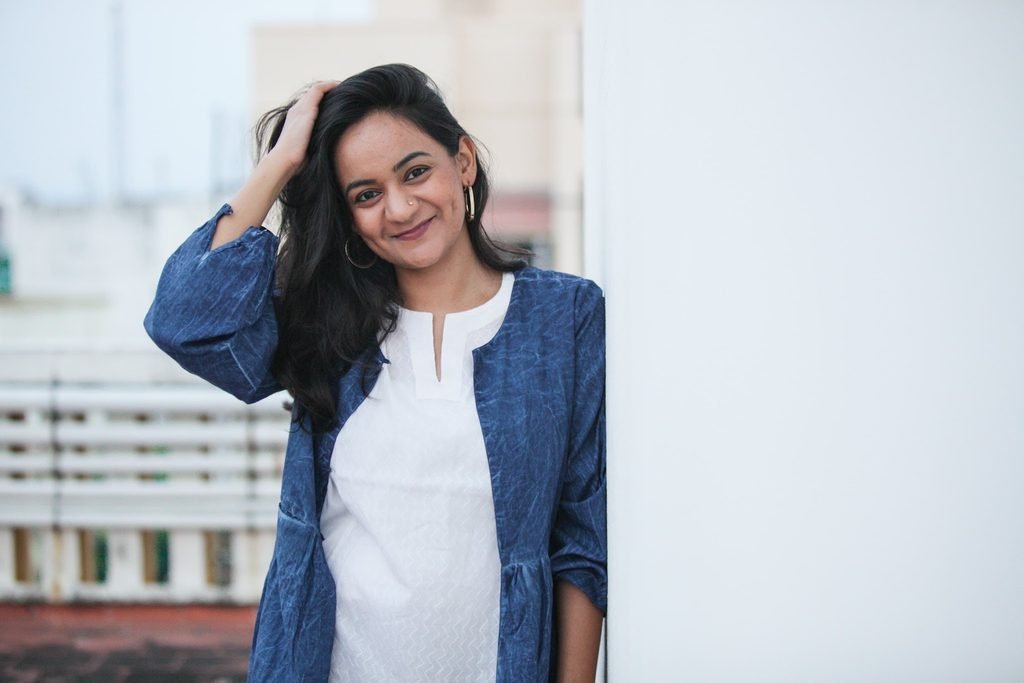
For Kamala Murali, reclaimed textiles become the starting point for patchwork, quilting and abstract compositions. Her practice embraces improvisation and the possibilities that emerge when existing materials are brought together in unexpected ways.
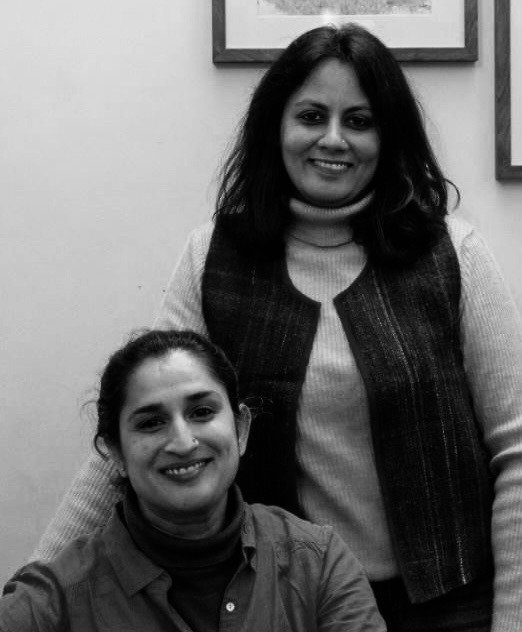
Indigene, co-founded by Ruchi Tripathi and Jaya Bhatt, has spent years working at the intersection of textile design, traditional craft and artisan communities. Rooted in traditional textiles and handcrafted techniques, the collective works through sustained partnerships with makers, with an emphasis on handmade, ethical and circular production. Its practice brings together design development, craft research and training across hand embroidery, hand weaving, tie-dye and batik, creating contemporary possibilities while remaining connected to traditional knowledge.
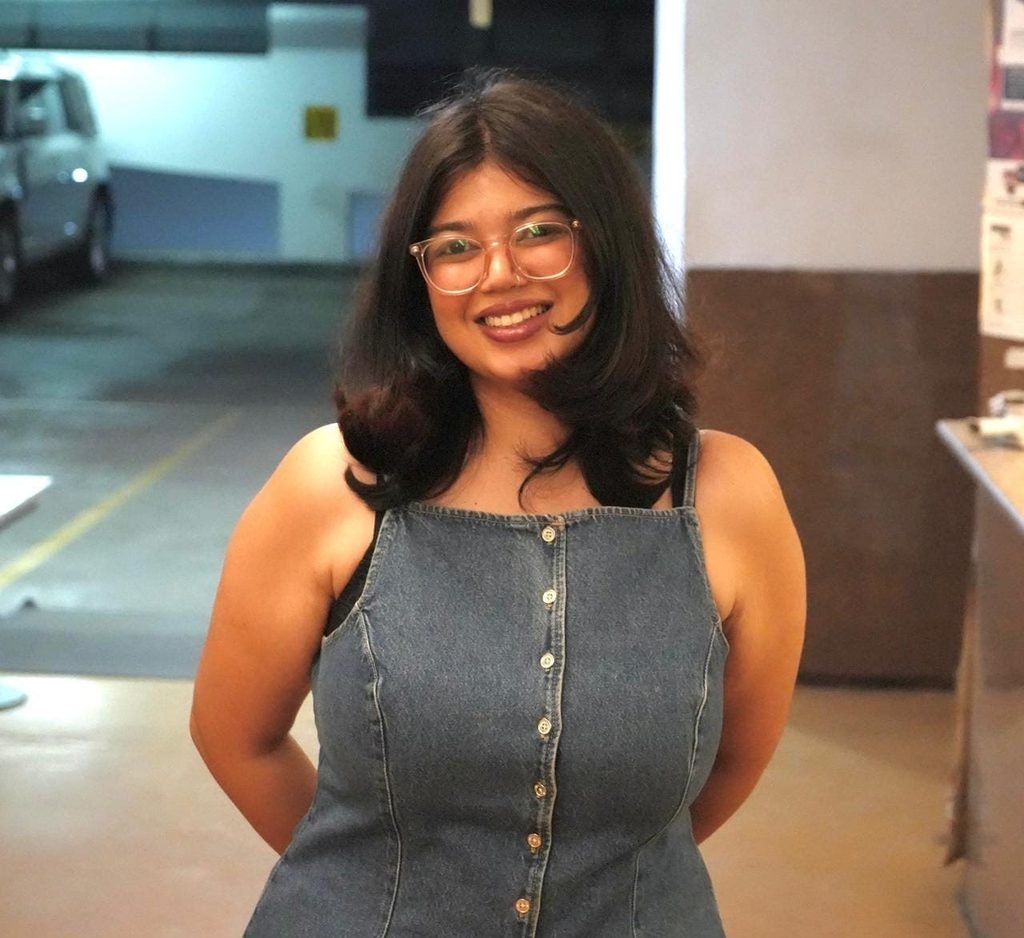
Stuti Kumar turns to textiles as a way of examining feminine identity, women’s labour and the structures embedded within domestic and everyday objects. Her practice considers how textiles can hold stories of women while also asking questions about the visibility of the people who make them.
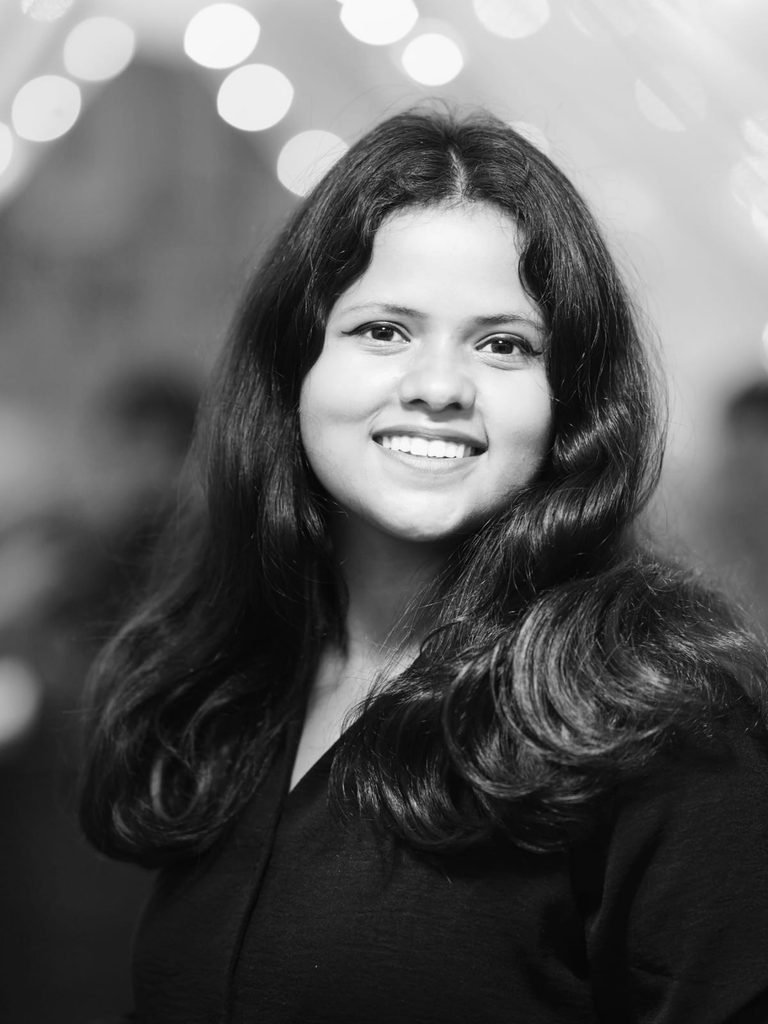
Mili Mandal approaches material through experimentation with natural fibres, natural dyes and plant-based processes. Her work with materials such as algae, jute, cotton and leaves opens up questions around the possibilities of sustainable material practice.
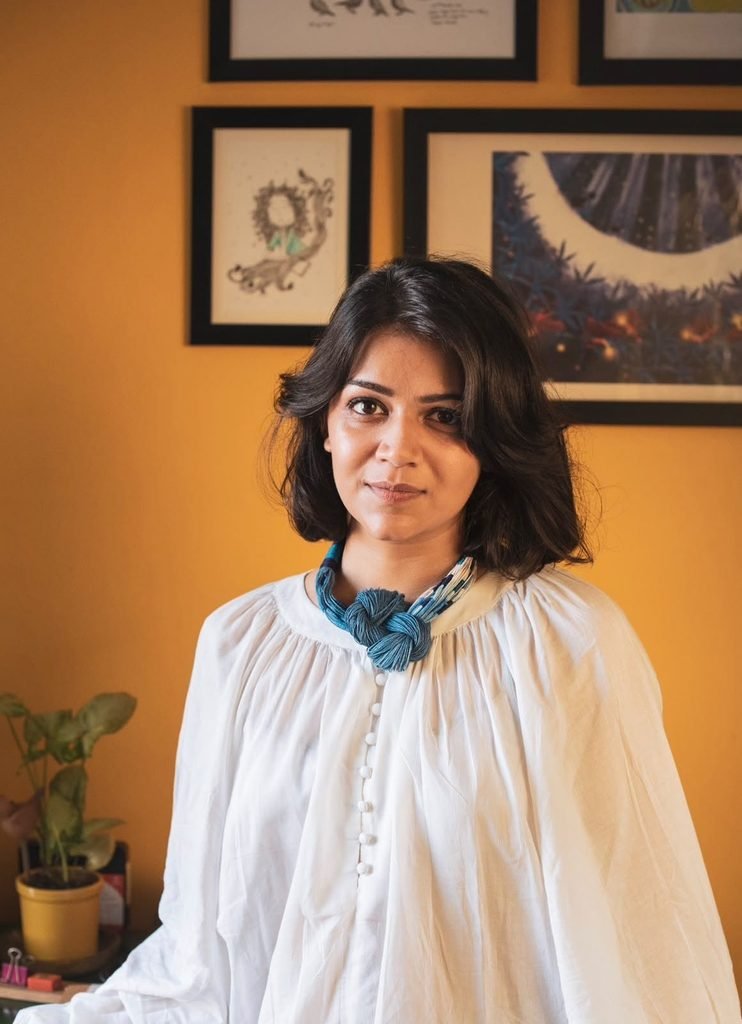
For Diti Mistry, discarded fabrics become the basis for textile assemblages, sculpture and wearable works. Her practice is grounded in the slow, tactile processes of handmaking and in the stories that materials can acquire through their transformation.
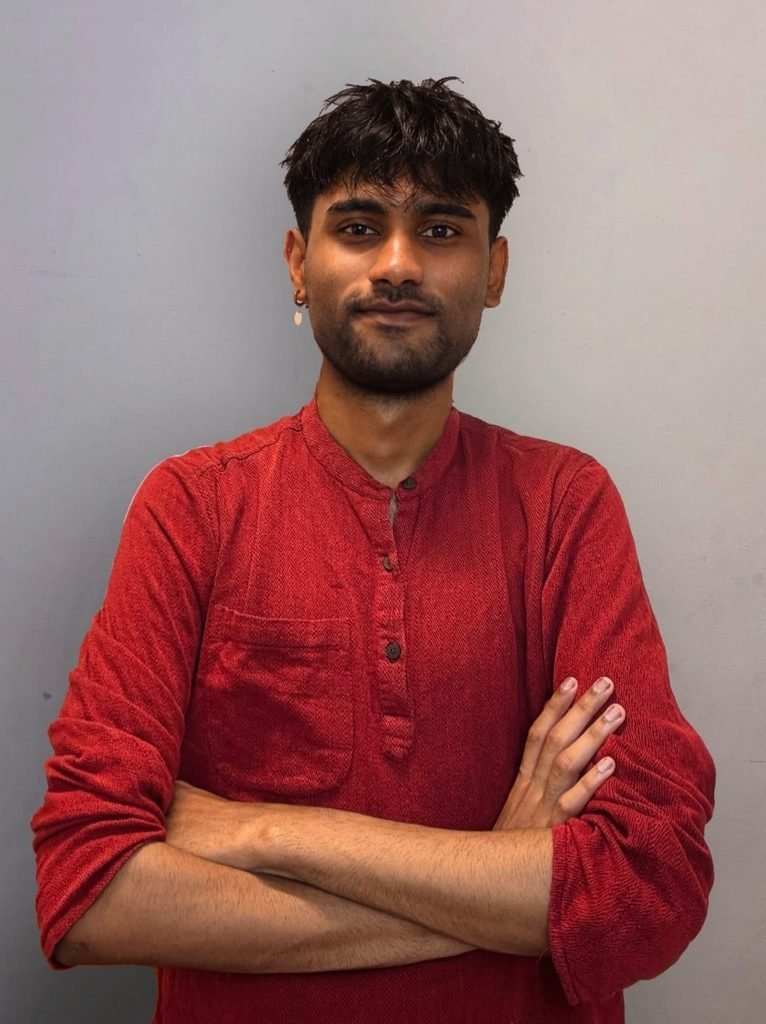
Pankaj Kondewar approaches textile as both material and document. His practice considers cloth as a record of time, labour, ecology and material intelligence, bringing traditional textile knowledge into dialogue with contemporary design and visual storytelling.
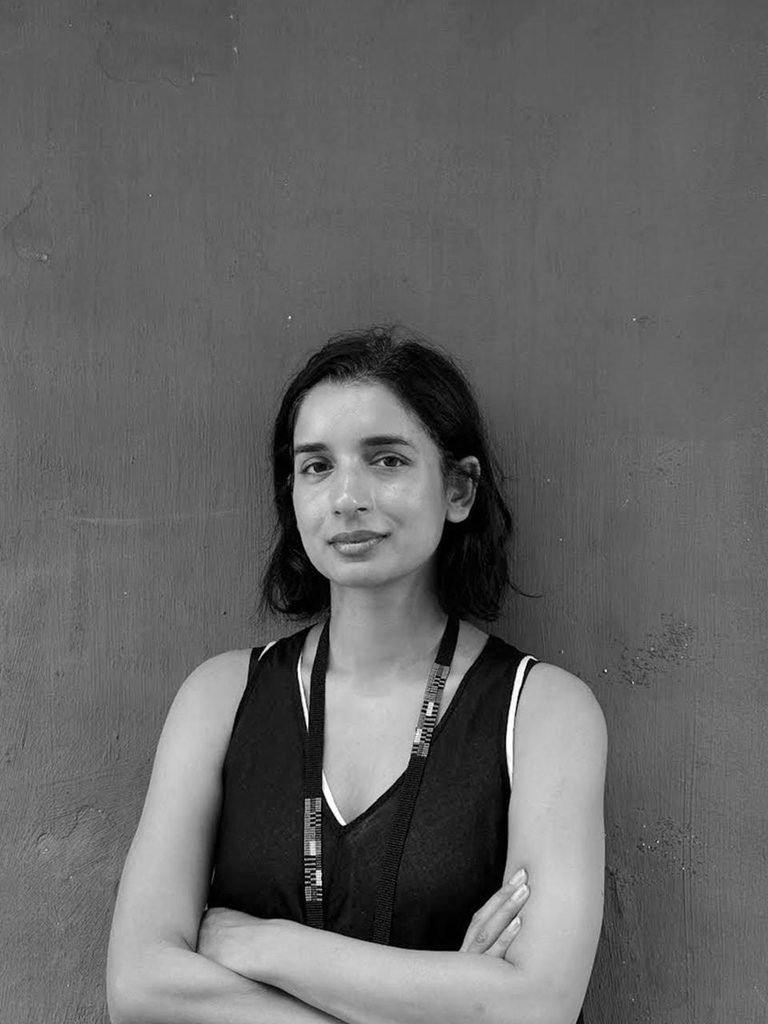
Medha Khosla works with discarded materials through hand weaving and other textile processes, questioning the linear journey from production to waste. Her practice asks what can happen when materials that have been overlooked are reconsidered as resources carrying histories of their own.
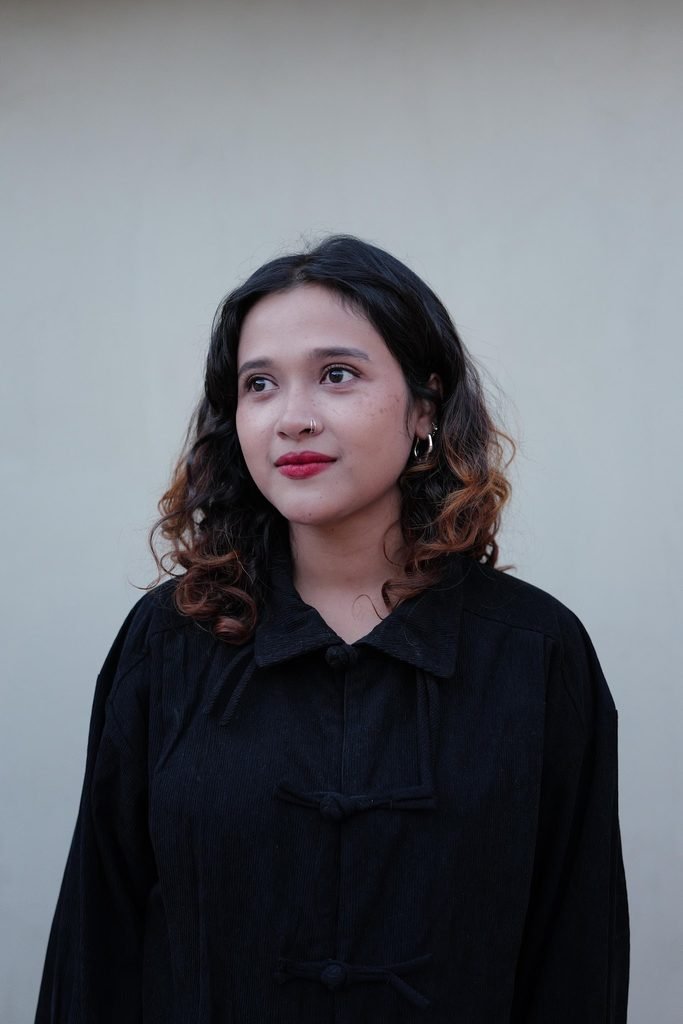
Archita Bharadwaj brings together weaving, memory, land and belonging. Working with reclaimed textiles, leftover yarns and other existing materials,she considers how fibres can hold personal and geographical memories and how making can become a way of negotiating idea of home and identity.
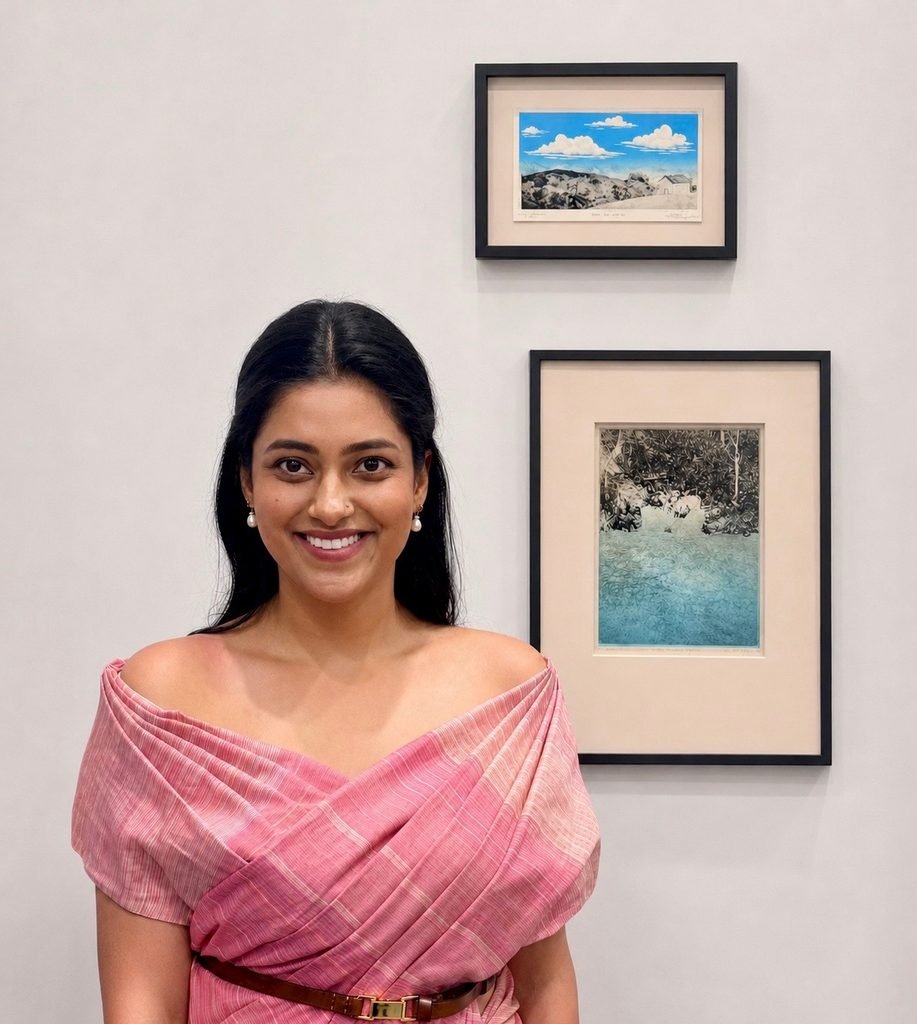
Finally, Jayati Kaushik Mehra brings textile into a more contemplative realm. Working across printmaking, textiles, embroidery and hand-dyeing, her practice engages with devotion, ritual, spirituality and the Divine. Repetition which is central to both textile processes and ritual practice becomes an important part of her visual language.
A Living Thread
Together, the works in Threads of Continuum: Reweaving the Future of Heritage demonstrate that continuity does not have a single form.
It can be found in the hands of an artisan who has inherited a technique from a parent or grandparent. It can exist in a community that creates livelihoods around a practice at risk of disappearing. It can emerge when a designer looks at an old material differently, when discarded cloth is given another life, or when textile becomes a language for memory, ecology, labour, spirituality and identity.
What connects these practitioners is not a single technique or material, but a shared understanding that heritage remains alive when it continues to be practised, questioned, adapted and passed on.
The Masters in Making exhibition therefore offers more than a display of textiles and craft. It brings together different geographies, generations and ways of knowing, allowing visitors to encounter the people, materials and processes behind the work.
From 1st to 10th October 2026, Alliance Française de Delhi will become a meeting point for these diverse practices. Threads of Continuum invites audiences to look closely at the works on display, but also to consider the larger stories they carry: of communities and landscapes, of inherited knowledge and experimentation, of labour and memory, and of the many ways in which tradition continues to find new life.
Visit the Masters in Making final exhibition at Alliance Française de Delhi from 1–10 October 2026 and encounter the artists, artisans and collectives reweaving the future of India’s living heritage.