
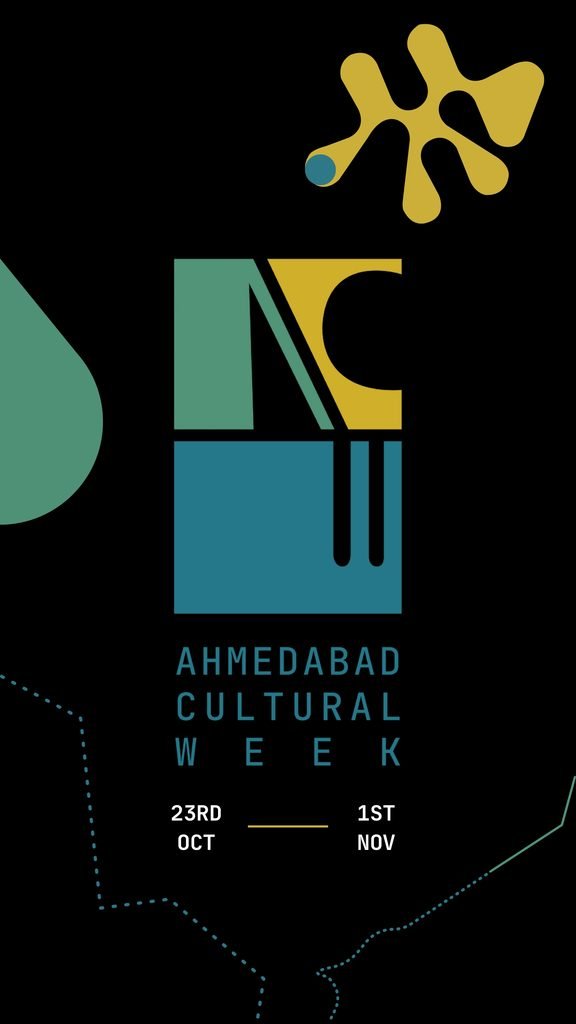
From 23 October to 1 November 2026, Ahmedabad Cultural Week brings together 18 cultural spaces across the city, exploring the climate crisis through exhibitions, performances, film, architecture and public dialogue.
A city reveals itself in more ways than its monuments or its skyline. It lives in its public spaces, its artistic traditions, the communities that shape its identity and the institutions that preserve and reinterpret its history. Ahmedabad, with its layered architectural heritage and evolving contemporary art scene, offers a particularly rich landscape for these intersections. This October, Ahmedabad Cultural Week returns to bring some of these cultural spaces into a shared conversation, one that looks beyond art itself to consider the environment we inhabit.
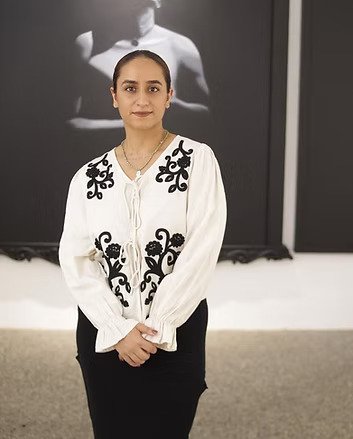
Initiated by Shristi Sainani, Ahmedabad Cultural Week (ACW) enters its second edition from 23 October to 1 November 2026. The initiative brings together museums, galleries, cultural institutions and independent spaces across the city, encouraging audiences to experience Ahmedabad’s artistic landscape as a connected cultural ecosystem rather than a collection of separate destinations.
For its second edition, the festival turns its attention to climate change, a subject that has increasingly shaped conversations around how we live, build and relate to the natural world. Through a programme of exhibitions, performances, screenings, workshops and discussions, ACW approaches the climate crisis not simply as an environmental concern, but as a question that intersects with culture, community, memory and everyday life.
When the Climate Becomes a Cultural Question
The climate crisis is often discussed through scientific projections, policy decisions and statistics. Yet its consequences are experienced in deeply personal and local ways: in the heat of a city, the uncertainty of agricultural livelihoods, the changing availability of water and the vulnerability of communities to extreme weather. These experiences also raise questions about how societies have developed, how resources are used and whose lives are most affected by environmental change.
ACW Ed.2 takes these concerns as a starting point for artistic and cultural inquiry. Its curatorial vision considers the relationship between human activity and the changing climate, drawing attention to fossil fuel consumption, deforestation, the exploitation of land, pollution and contamination. Alongside these concerns, the programme foregrounds sustainability, carbon neutrality, biodiversity and environmental conservation.
What makes this approach compelling is the space it creates for perspectives beyond conventional environmental discourse. Art can make abstract concerns tangible, connect environmental change to lived experience and encourage audiences to reconsider familiar surroundings. An exhibition, a film or a public conversation may not offer a definitive solution to the climate crisis, but each can open up questions about responsibility, adaptation and the futures we are choosing to build.
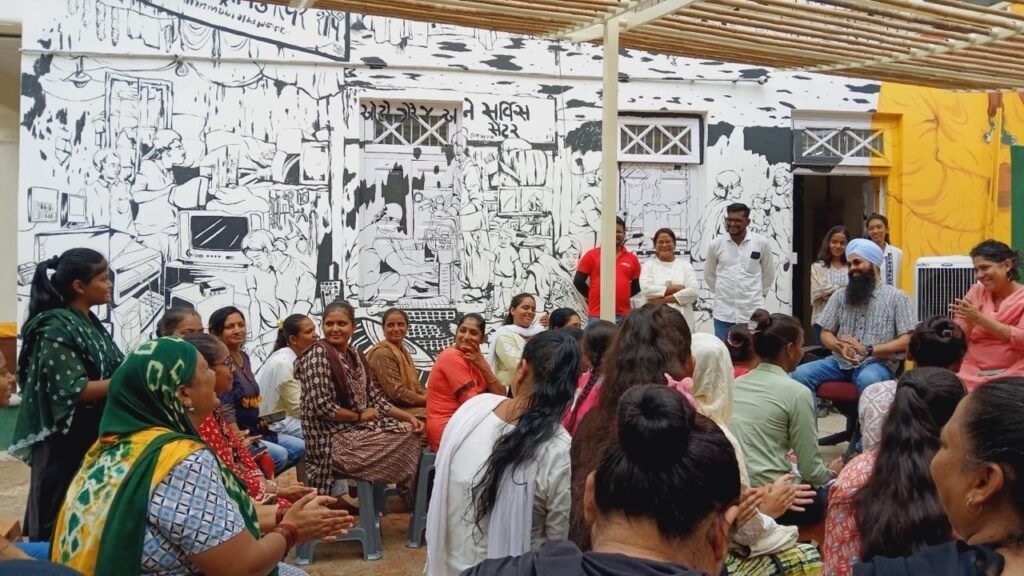
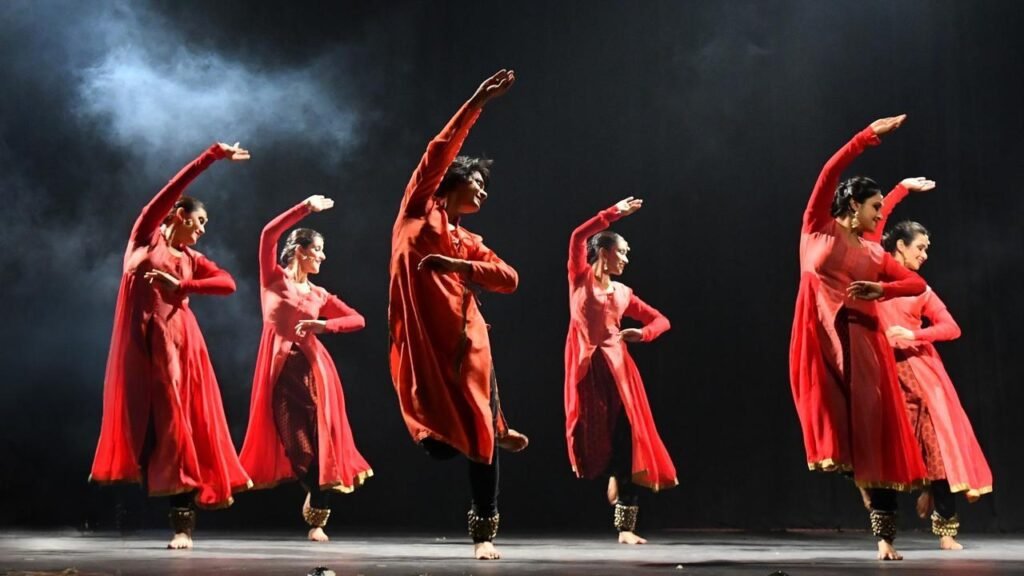
A City-Wide Cultural Landscape
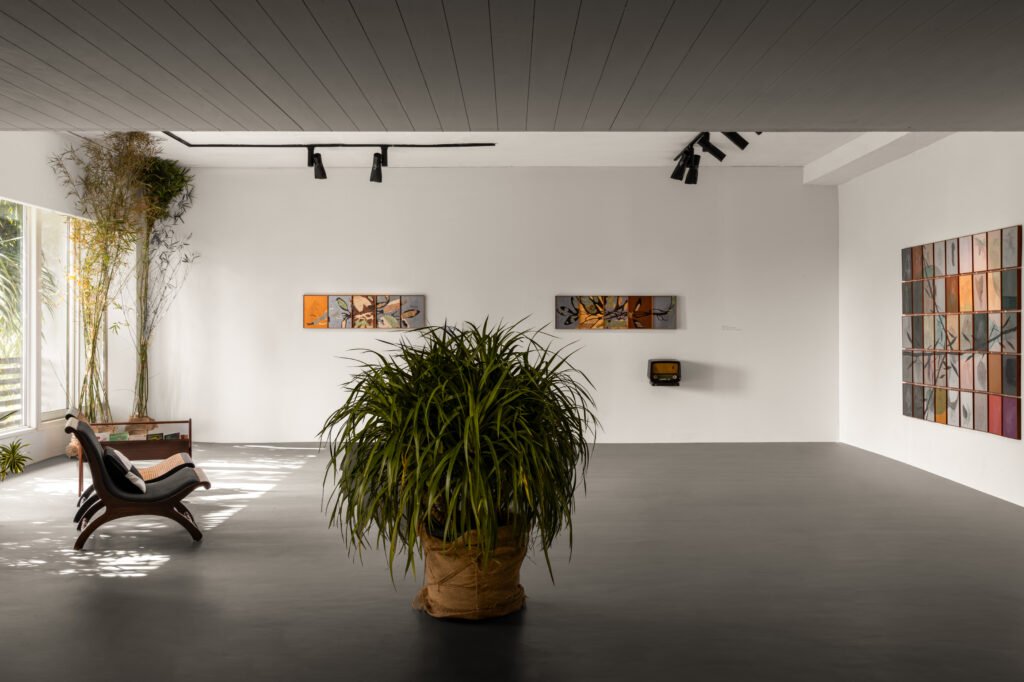
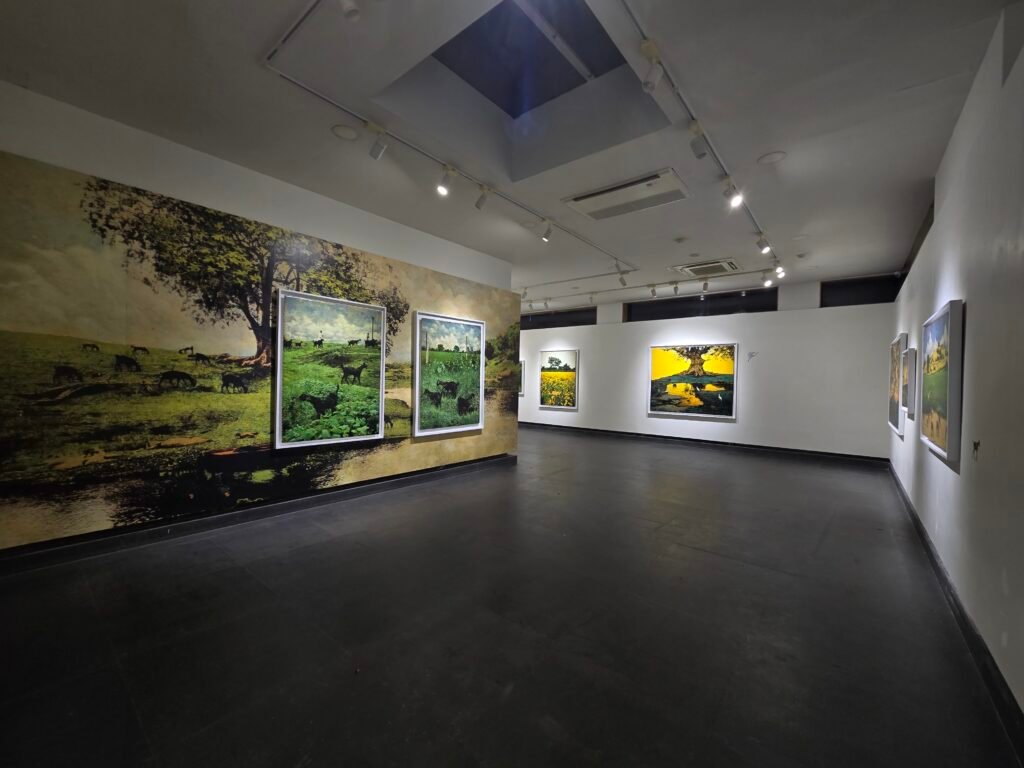
Ahmedabad Cultural Week brings together 18 cultural spaces across the city. The participating institutions include:
079 | Stories
Museum of Contemporary Art Ahmedabad
Archer Art Gallery
Arthshila
Conflictorium
Darpana Academy of Performing Arts and Natarani
Gujarat Vishwakosh Trust
Hutheesing Visual Art Centre,
Iram Art
Kanoria Centre for Arts
Kasturbhai Lalbhai Museum in collaboration with Indigo Art Museum
Lalbhai Dalpatbhai Museum
Mehnat Manzil
Nexus Art
Sabarmati Riverfront
Samara Art Gallery
Shreyas Foundation
Vastu-Shilpa Foundation.
Together, these spaces represent different ways of engaging with art, heritage, performance and public life. Their participation creates opportunities for audiences to move between disciplines and encounter ideas through varied forms of cultural expression. It also draws attention to the institutions, curators, artists and practitioners who contribute to Ahmedabad’s cultural landscape throughout the year.
The exhibition in each space approach the subject from different directions, demonstrating that there is no single visual language or artistic response to ecological change. The climate crisis can be examined through material, landscape, community, history and the ways people understand their place in the world.
Beyond the Gallery Walls
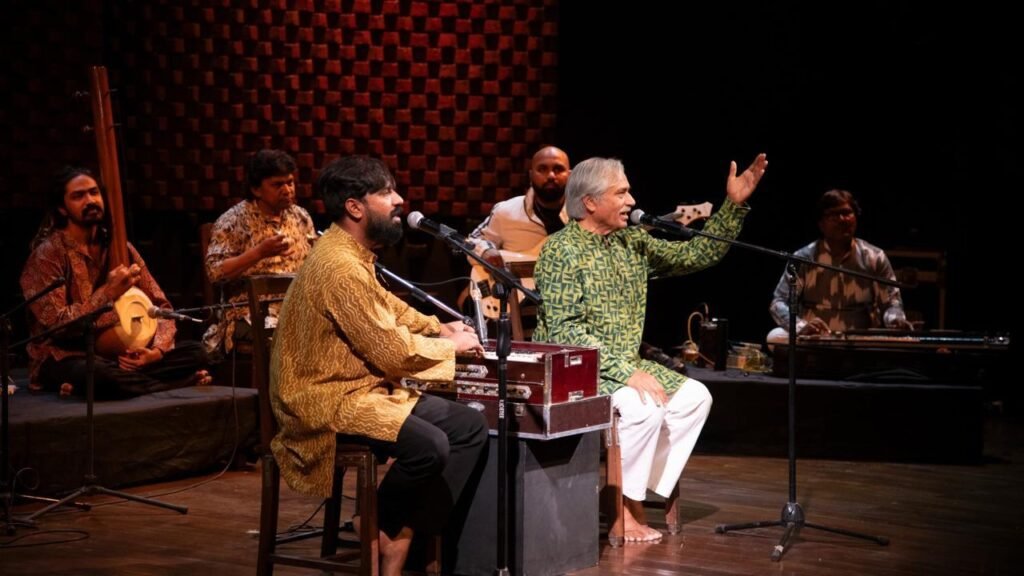
The festival’s programme extends beyond exhibitions into conversations, screenings, workshops and performances. This broader format allows audiences to encounter environmental concerns through different modes of participation, from listening and discussion to movement through the city itself.
Rather than treating art, architecture, performance and environmental thought as separate conversations, the festival places them alongside one another. The result is a programme that encourages audiences to make connections across disciplines and consider how ecological concerns shape not only natural landscapes, but also the cities, institutions and communities people create.
Imagining What Comes Next
A cultural festival cannot resolve the climate crisis, nor does it need to claim to. Its value can lie in creating the conditions for people to encounter difficult questions differently, to discover unfamiliar perspectives and to reconsider assumptions about the world around them.
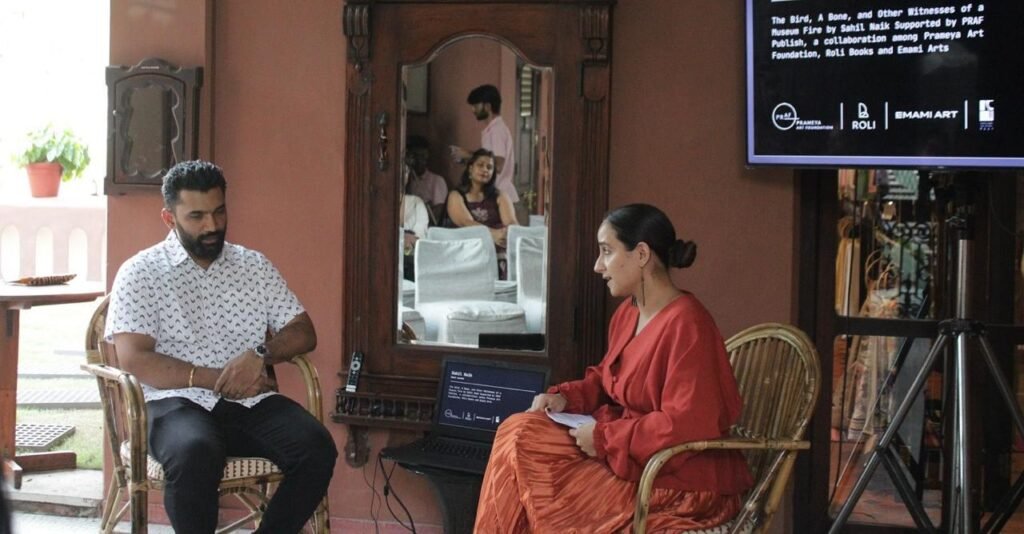
For Ahmedabad Cultural Week, bringing the city’s cultural spaces together provides a framework for precisely this kind of exchange. Its second edition connects local histories and artistic practices with an issue that transcends borders, placing the climate crisis within a wider conversation about how people live, remember, create and care for their surroundings.
There is something meaningful about approaching environmental change through the spaces where a city gathers to make sense of itself. Museums preserve histories, galleries introduce new ways of seeing, performance brings ideas into shared physical space, and public discussions create room for disagreement and reflection. Together, these forms of engagement can make a complex global concern feel closer to home.
From 23 October to 1 November 2026, Ahmedabad Cultural Week invites audiences to experience the city through this intersection of culture and ecology. Across its participating spaces, the festival asks a question that extends beyond the duration of the event: how might the ways we create, inhabit and understand our world change when we begin to look at it through the lens of the environment?
For more details, visit ACW website: Ahmedabad Culture Week Ed. 1


