
By Chhaya Singh
The culture of India is usually appreciated through its magnificent structures, vibrant festivals, and classical arts. However, there are communities that have been maintaining these aspects of the Indian culture through the generations, and without them, this culture would not survive. The artifacts can be kept safe in museums, while documents in archives; but the living heritage of India is maintained by these communities.
The passing on of knowledge about art, music, storytelling, and craftsmanship from one generation to another has been done by observation and practice, not through books. Today, in spite of all the fast urbanization taking place, many societies still preserve their traditions which constitute Indian culture.
The Manganiyars: Rajasthan’s Musical Historians
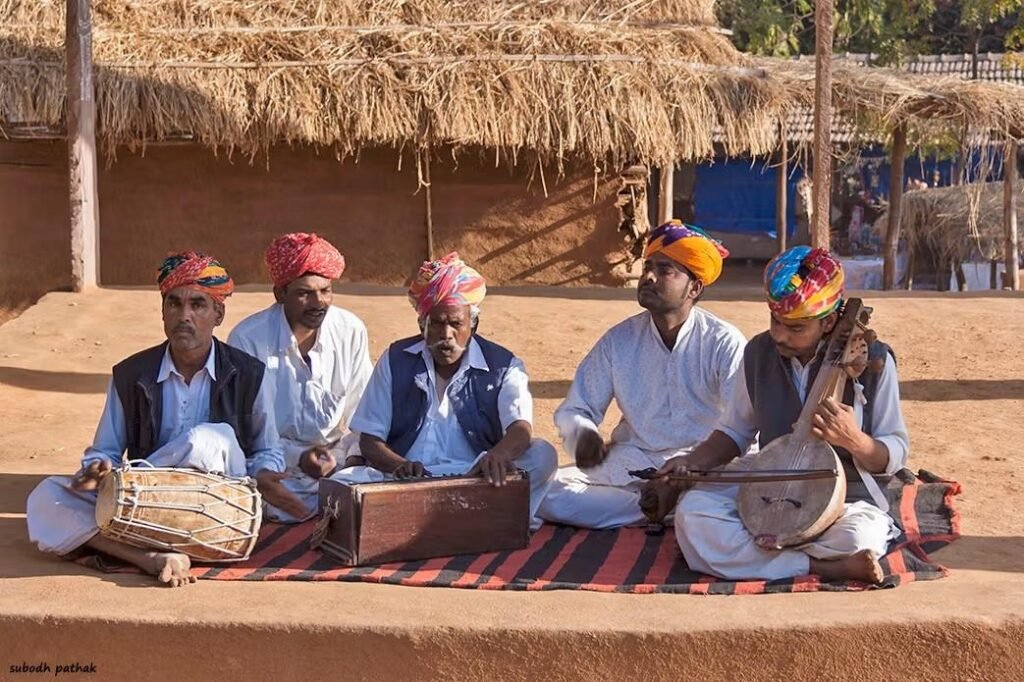
For seven centuries, the Manganiyaar community of western Rajasthan has maintained one of India’s richest oral musical traditions. In traditional times, Manganiyar musicians would write and sing songs recall births, marriages, harvests, and heroism at the behest of their patrons who were Rajput chieftains.
Through the use of such musical instruments as kamaicha, khartal, and dholak, they turned history into music. Well before any kind of written accounts became prevalent, they sang about their local family histories, mythology, and cultural practices. Even today, some of their music is played in the exact manner it was centuries ago.
The Chitrakars: Storytellers with a Paintbrush
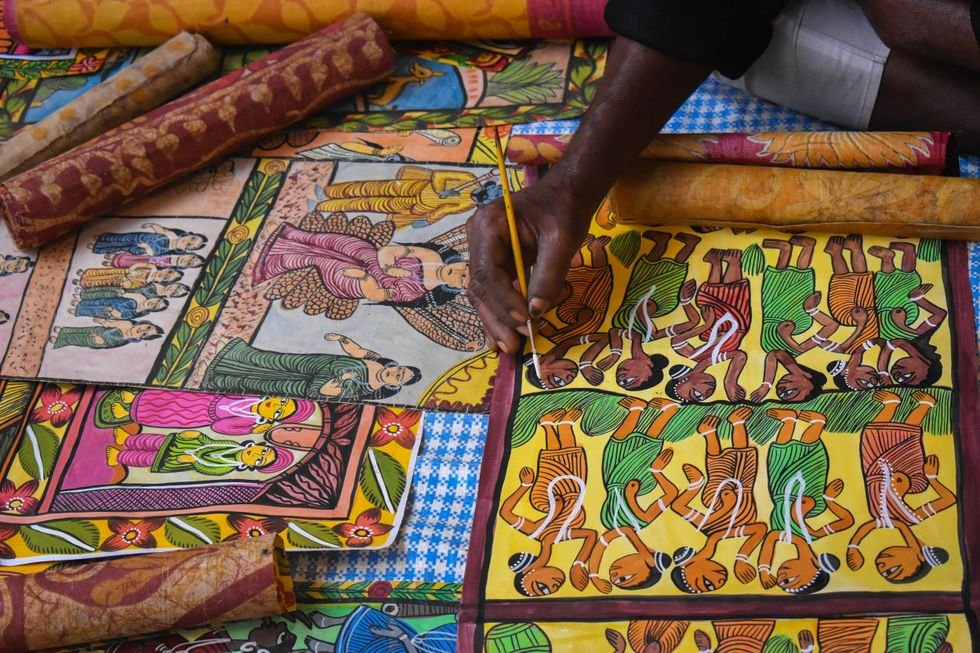
The Chitrakars of West Bengal are famous for the ancient art form of Pattachitra – an amalgamation of scroll painting and storytelling with music. In the past, the Chitrakars would travel from one village to another showing painted scrolls that had stories from myths and legends as well as from recent events.
As each part of the scroll was revealed, the artist used songs to tell his stories, making him one of the first traveling teachers of India at a time when cinema or television did not exist. Although their topics now range from environmental education to public health care, they still preserve their historical tradition of storytelling.
The Rabari Women: Embroidering Identity
In Gujarat and Rajasthan, the pastoral Rabari people have turned embroidery into a language of culture. Each needlework on Rabari garments signifies something about the family, the region, the marital status, and the identity.
Traditionally, the Rabari ladies embroidered not only their own dresses but also the garments prepared for weddings or ceremonies; the work was done with mirrors, geometrical designs, and symbolic motifs believed to guard from the evil spirit. In contrast to industrialized clothes, each embroidery piece is one-of-a-kind.
Nowadays, the art of Rabari embroidery is appreciated worldwide, but its real importance consists in maintaining the identity of the community.
The Kumbhars: Keepers of Clay Traditions
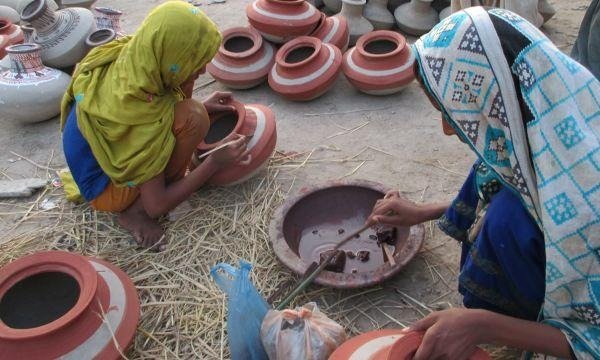
The Kumbhar caste, which takes its name from the Sanskrit word “kumbha,” meaning pot, has influenced India’s connection with clay for centuries. Finds made by archaeologists during excavations at the Indus Valley Civilization sites show an advanced tradition of pottery that is still practiced by most Kumbhars.
Apart from household utensils, the Kumbhar craftsmen also manufacture oil lamps for festivals, clay figures for religious ceremonies, and earthen pots employed in marriages. It is important to note that heritage can be embodied in simple objects that are used in everyday life.
The Toda Community: Weaving the Nilgiris
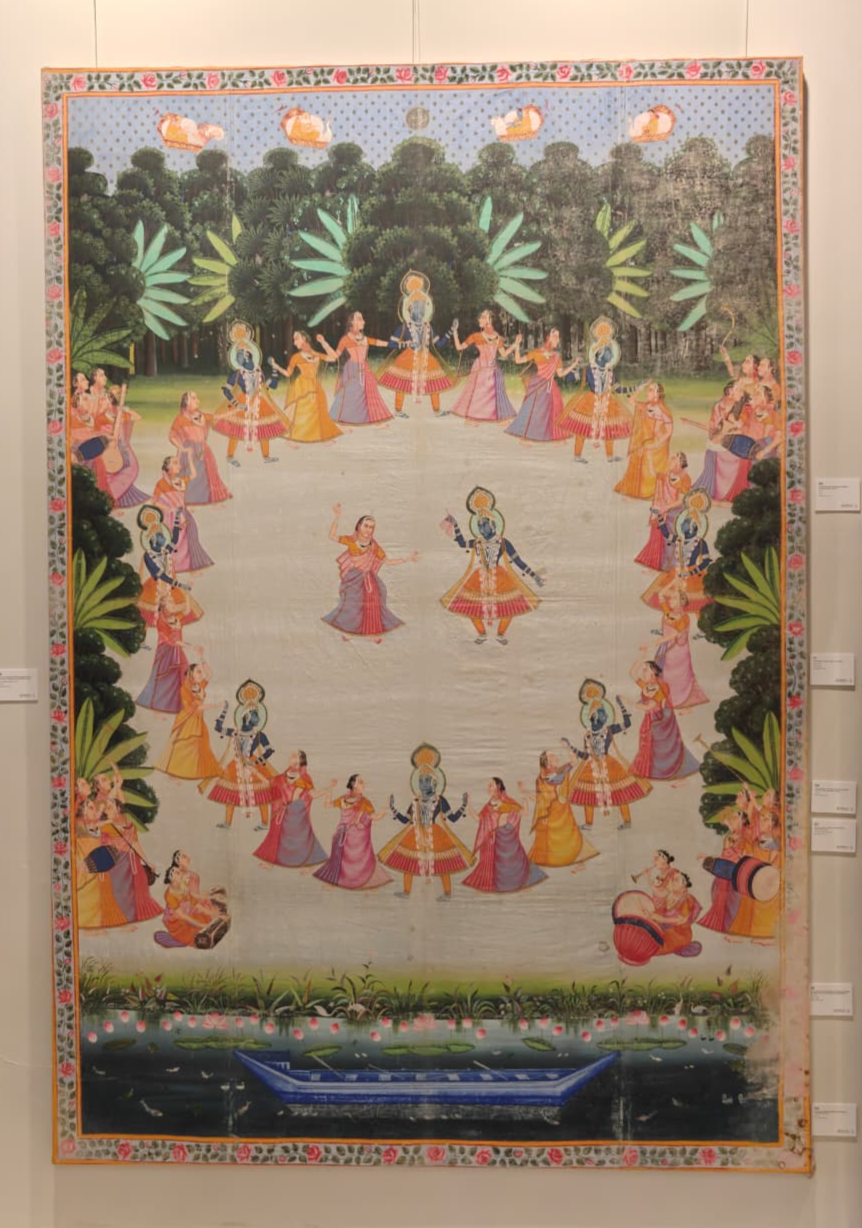
Residing in the Nilgiri Hills in Tamil Nadu, the Toda community has a reputation for its distinctively embroidered shawls which have come to be known as “poothkuli.” Embroidered shawls of the Toda community have designs in bright colors such as red and black against a background of white cloth.
In history, embroidery was one of the most integral aspects of the lives of the Toda community. Each design was culturally significant, depicting the connection between the community and nature as well as their rituals.
The Kathputli Bhats: Puppeteers of Rajasthan
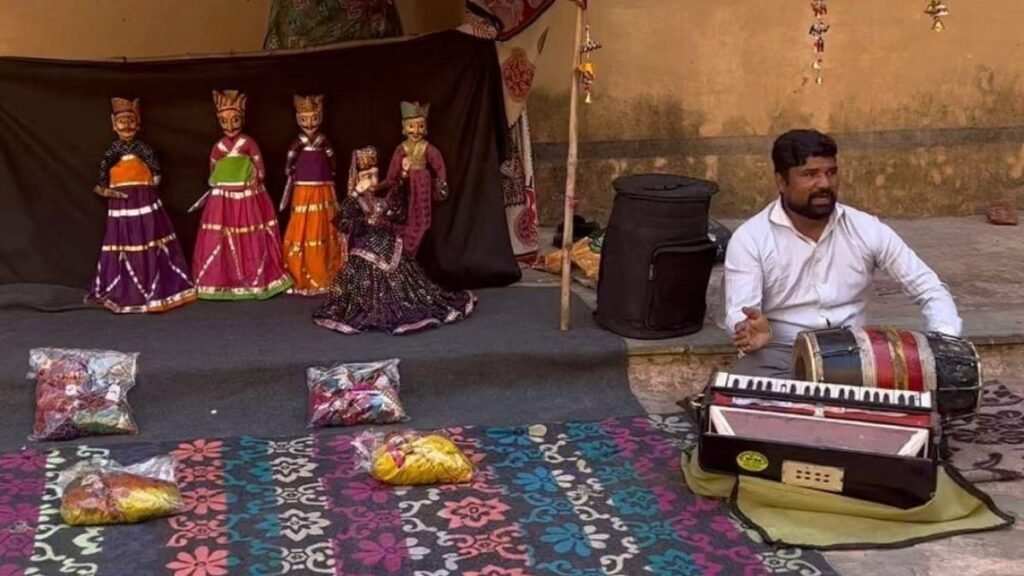
Even before the advent of television or films, traveling puppet artists used puppets called kathputlis to entertain and educate the local communities.
The Bhat community of Rajasthan utilized the art of puppetry, singing, humor, and storytelling to tell folk stories and recount historical events. Through their performance, not only did they preserve the regional folklore but also made history entertaining for all ages.
Despite the emergence of modern forms of entertainment, the tradition still lives on due to the many puppet artist families who continue performing at fairs and other cultural programs.
Whenever there is mention of heritage, people tend to think about forts, temples, or historic structures. But heritage also means those traditions which are practiced by communities, known as Intangible Cultural Heritage.
Supporting these communities is about far more than preserving beautiful crafts or entertaining performances. It is about protecting languages, oral histories, indigenous knowledge systems, and cultural identities that have evolved over centuries.
Chhaya Singh is a New Delhi based content writer with interest in culture, heritage, and media. Passionate about both listening to stories and bringing them to life through words, she believes every tradition has a story worth preserving and sharing.


