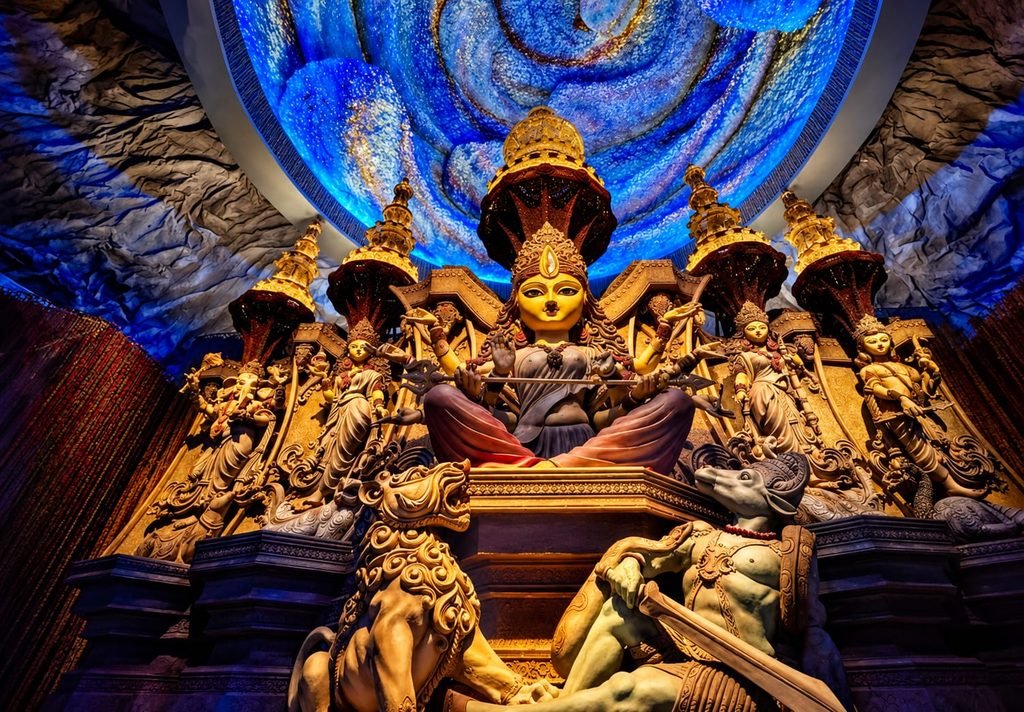
By Gouravi
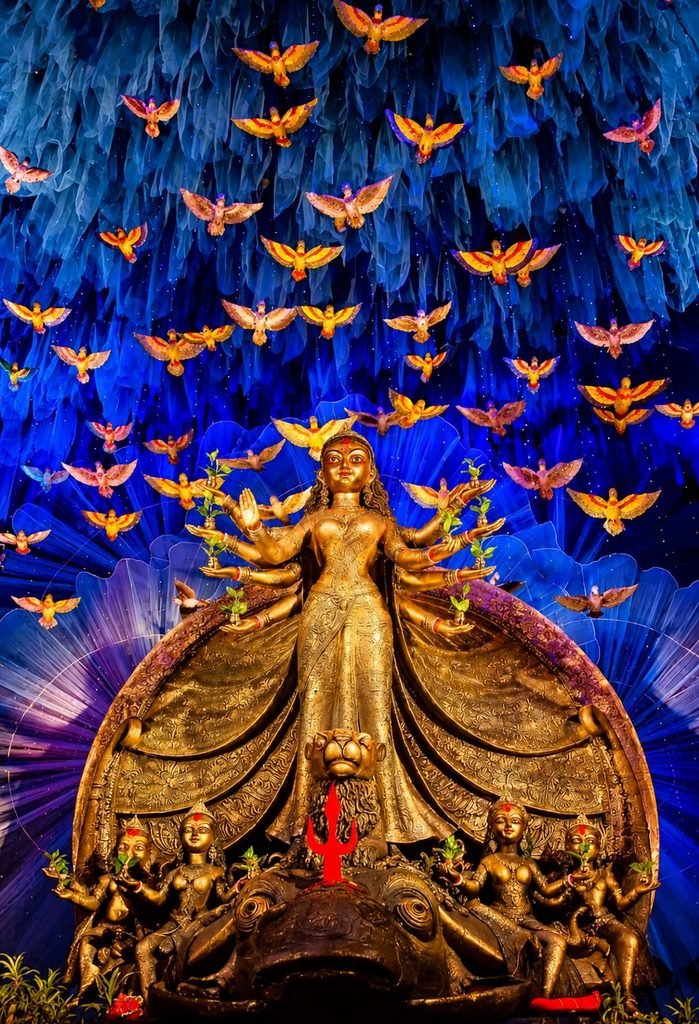
Every year, as autumn arrives in Kolkata, the city begins to transform. The streets become brighter, neighbourhoods become more vibrant, and conversations across the city begin to revolve around one thing that is — The Durga Puja.
But Durga Puja in Kolkata is far more than a religious celebration. It is a festival where faith meets art, tradition meets innovation, and communities come together to create something extraordinary.
For a few days every year, Kolkata turns into a living canvas.
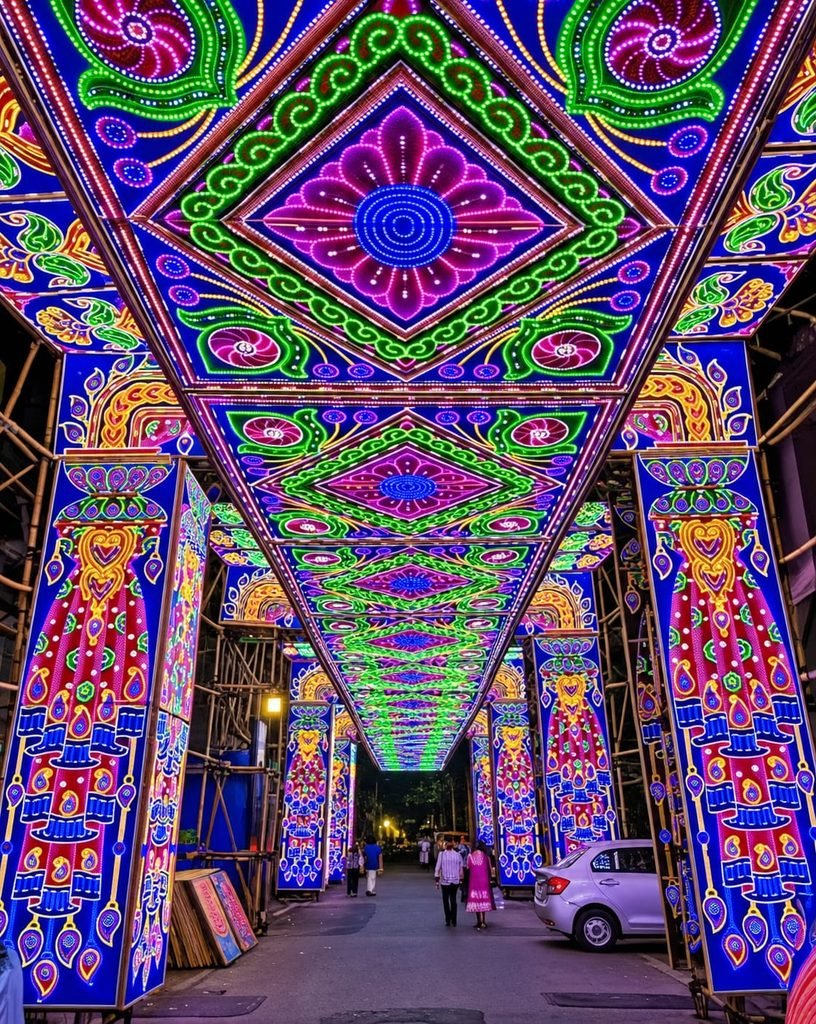
Streets are illuminated, neighbourhoods are decorated, and magnificent pandals emerge across the city. From the traditional pujas of North Kolkata to the elaborate theme-based celebrations in South Kolkata, every part of the city tells a different story.
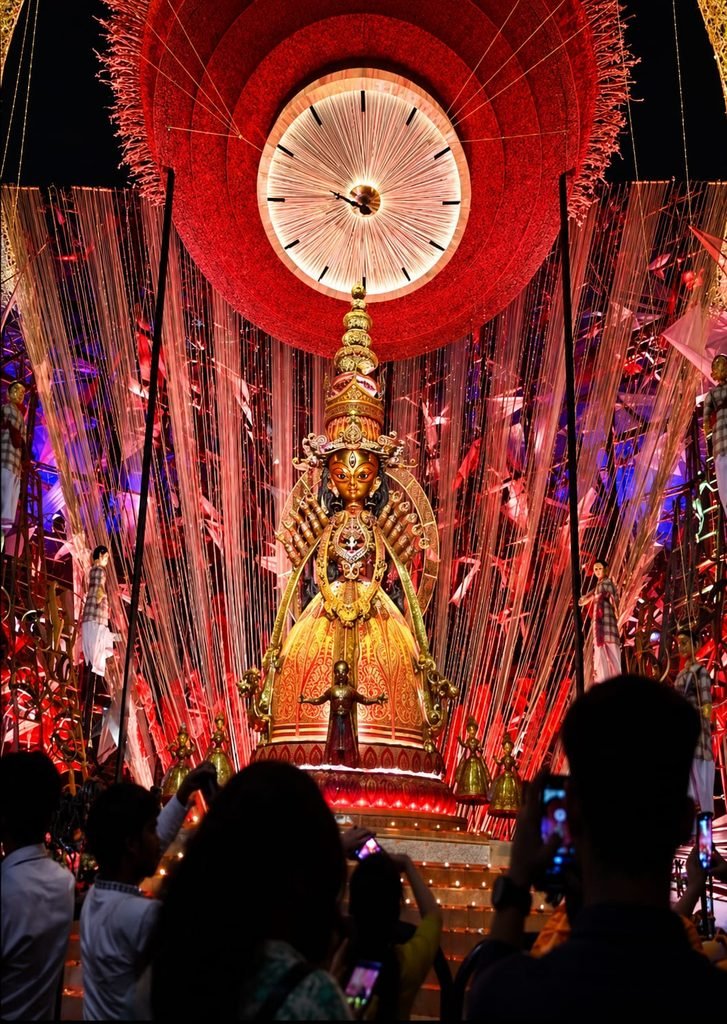
Beyond the Panel
The grandeur of a Durga Puja pandal often attracts the first glance, but the story behind it is even more fascinating. Months of planning and hard work go into creating these temporary structures. Artists, sculptors, bamboo craftsmen, painters, decorators, electricians, lighting professionals and countless local workers contribute their skills to bring a concept to life. What visitors see for a few days is the result of weeks and sometimes months of creativity and preparation. This makes Durga Puja not only a cultural celebration but also an important period of economic activity for thousands of people whose livelihoods are connected to the festival.
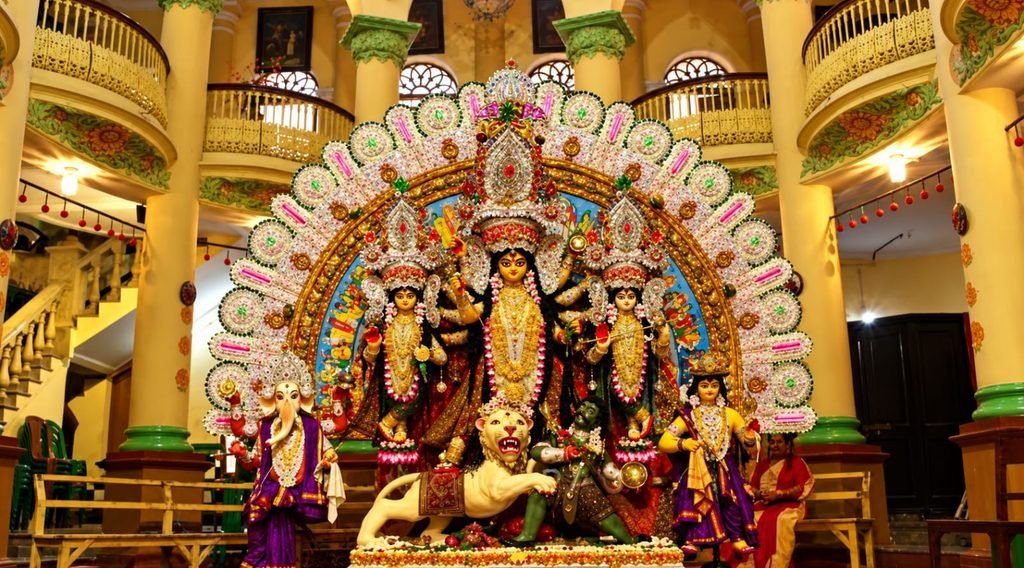
Where Tradition Meets Contemporary Ideas
One of the most interesting aspects of Kolkata’s Durga Puja is the way traditional worship continues to coexist with contemporary artistic expression. While some pujas preserve age-old rituals and styles, others experiment with architecture, materials and storytelling. Many organisers also use their themes to highlight social and environmental issues, turning pandals into spaces where entertainment and public awareness can exist together. The result is a festival that changes with the times without losing its cultural roots.
The People Behind the Celebration
However, the true spirit of Durga Puja can perhaps be found not in the biggest pandals, but among the people who make the festival possible. There is the artisan carefully working on an idol. There is the volunteer managing crowds late into the night. There is the shopkeeper preparing for the festive rush. There are street-food vendors serving thousands of visitors and families waiting all year to experience the city during puja.
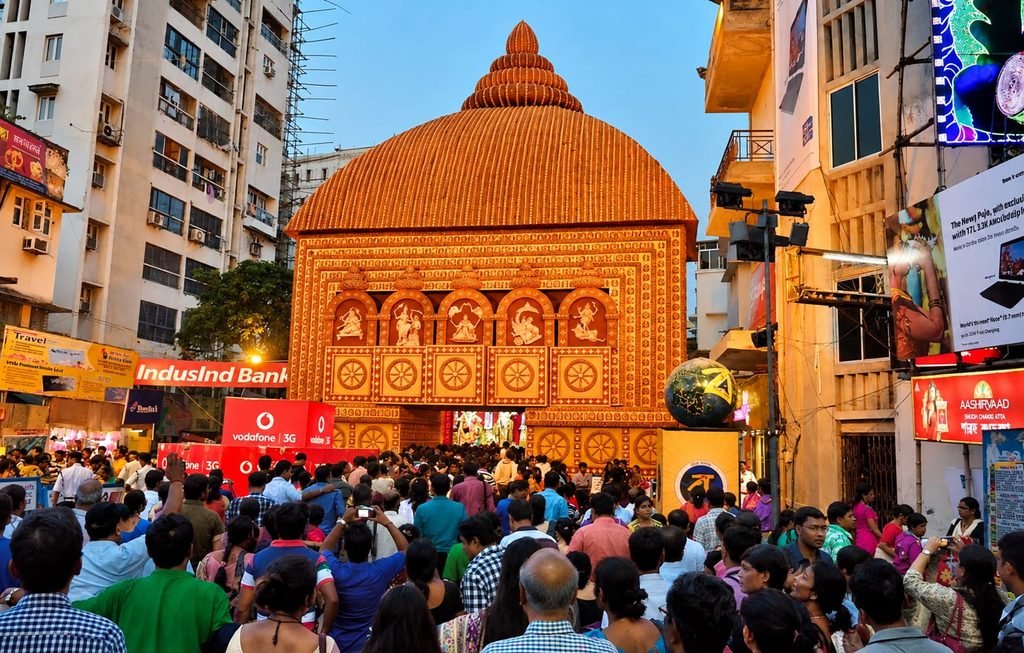
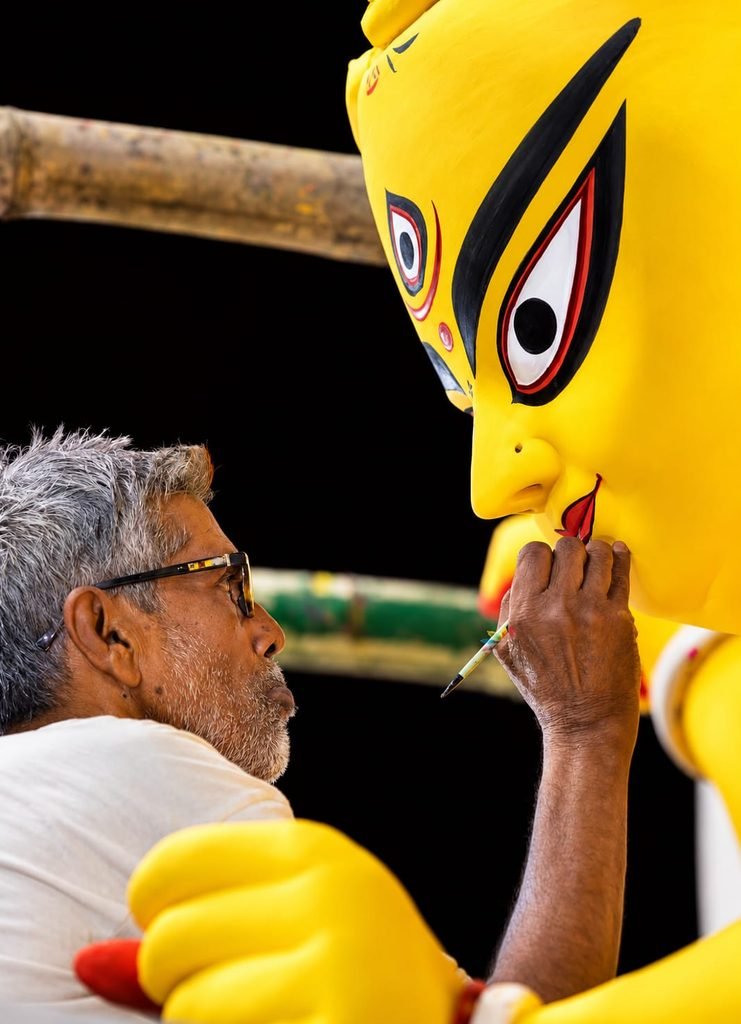
Each of them is part of the larger story, for visitors puja may mean new clothes, late-night pandal hopping, and photographs with friends, traditional food and endless conversations but for local businesses and workers, it can also be one of the most significant periods of the year.
A City That Comes Together
Perhaps that is what makes Kolkata’s Durga Puja so unique. It cannot be understood through a single idol, a single pandal or a single photograph. It is a combination of faith, creativity, craftsmanship, commerce, tradition and community. As Kolkata prepares for Durga Puja 2026, the city is once again getting ready to tell its story through lights, music, art and celebration. But beneath the spectacular decorations lies something much simpler and more powerful—a sense of togetherness. For a few days, differences seem to fade, strangers share the same streets, and the entire city participates in one enormous celebration.
Because in Kolkata, Durga Puja is not merely a festival that people watch,
“It is a festival that city lives.”