
By Bhavya Balamurali
In the Arsenale, Southeast Asia’s youngest nation makes a quiet case that unity doesn’t need a single voice.
Timor-Leste lies between Indonesia and Australia, the youngest nation in Southeast Asia and the newest member of ASEAN. It is small enough to fit inside Nagaland, but its history is not. Four centuries of Portuguese colonization were followed by twenty-four years of Indonesian occupation, then a referendum in 1999 and independence on 20 May 2002. It was the first new sovereign state of the twenty-first century, and a freedom reached at an immense human cost.
Through those long decades, memory lived in the voice. It travelled through story, song and ritual, and through the patterned handwoven cloth known as tais. When the occupation banned Portuguese and imposed Indonesian, the Catholic Church adopted Tetum for its liturgy, and a tongue of the marketplace became a language of belonging. This is Tetun Prasa, “market Tetun,” from the Portuguese praça, the town square. It had served as the island’s lingua franca long before the nation had a flag. Today it stands beside Portuguese as one of two official languages under the 2002 constitution, surrounded by a constellation of indigenous tongues, a multiplicity many in India will recognise.
How, then, does a young nation compose a single identity when it speaks in so many voices?
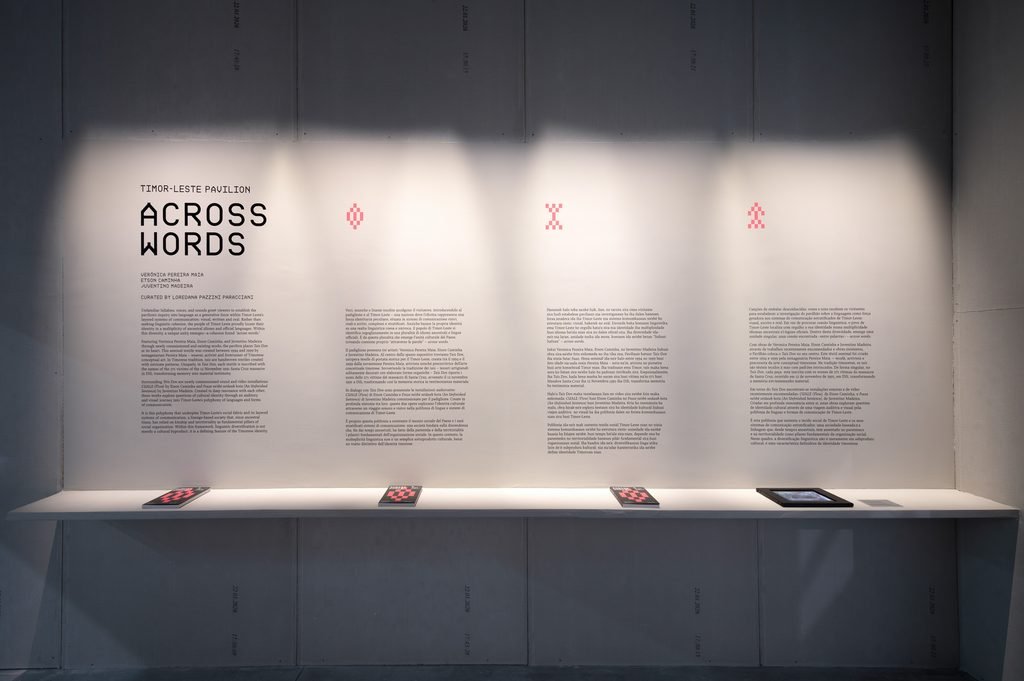
Timor-Leste answers in Venice. At the 61st International Art Exhibition of La Biennale di Venezia, whose theme is In Minor Keys, the country presents its second pavilion and its first in the Arsenale. Commissioned by the Secretary of State for Arts and Culture, Jorge Soares Cristovão, the exhibition is called Across Words, and it remains on view until 22 November.
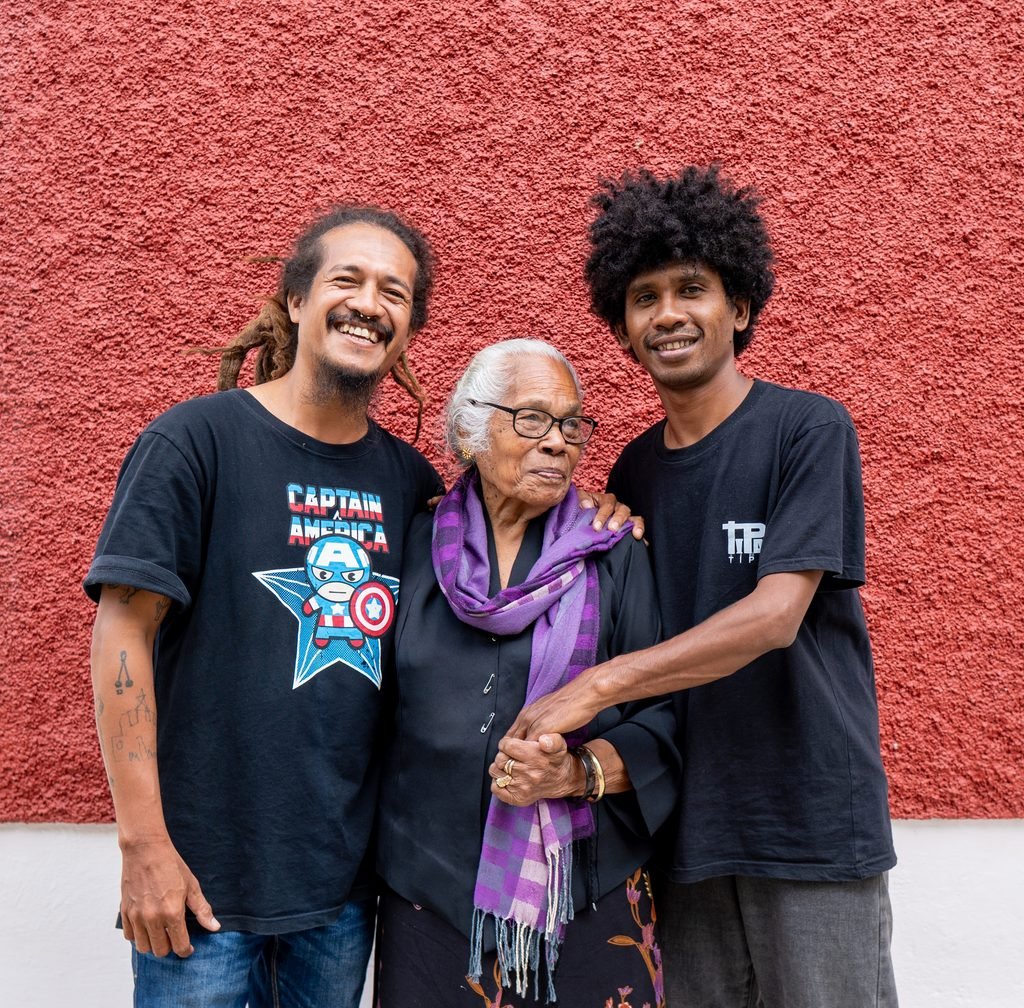
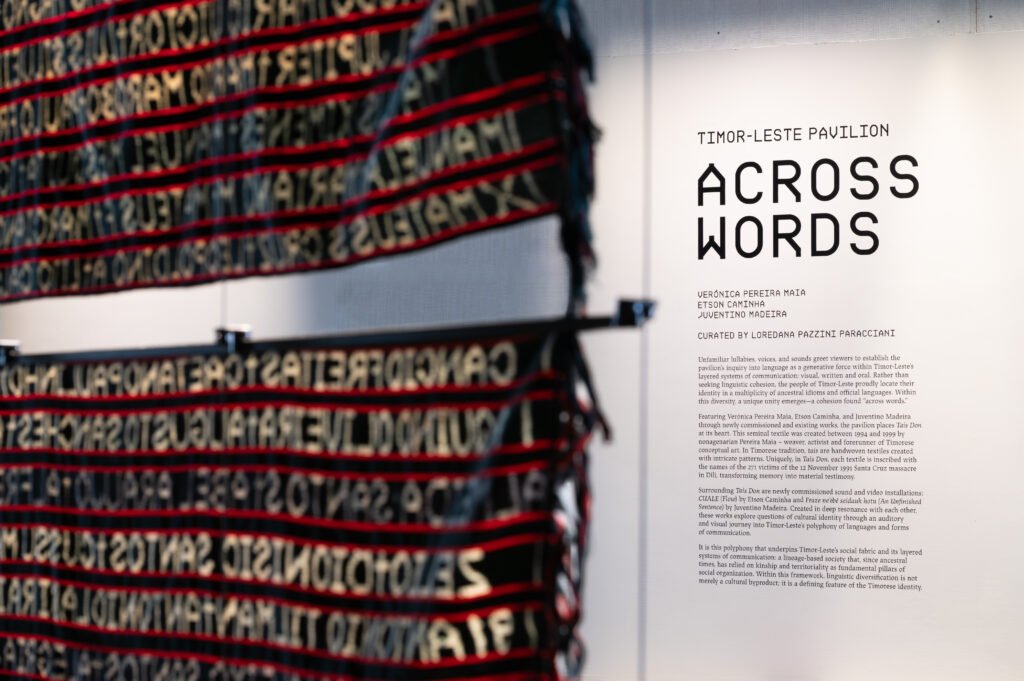
At its centre is Tais Don by Verónica Pereira Maia, a nonagenarian weaver and, arguably, a forerunner of Timorese conceptual art. Her cloth bears the names of the young people killed in the Santa Cruz massacre in Dili on 12 November 1991. The names are spelled out in a phonetic approximation of the alphabet, so memory becomes material testimony in her work. When the Indonesian invasion came in 1975, she left, first for a refugee camp in Portugal, where she passed the traditions of home to fellow exiles, and later for Darwin, where she joined the campaign for her country’s freedom. Now, for the first time, her cloth hangs in Europe.
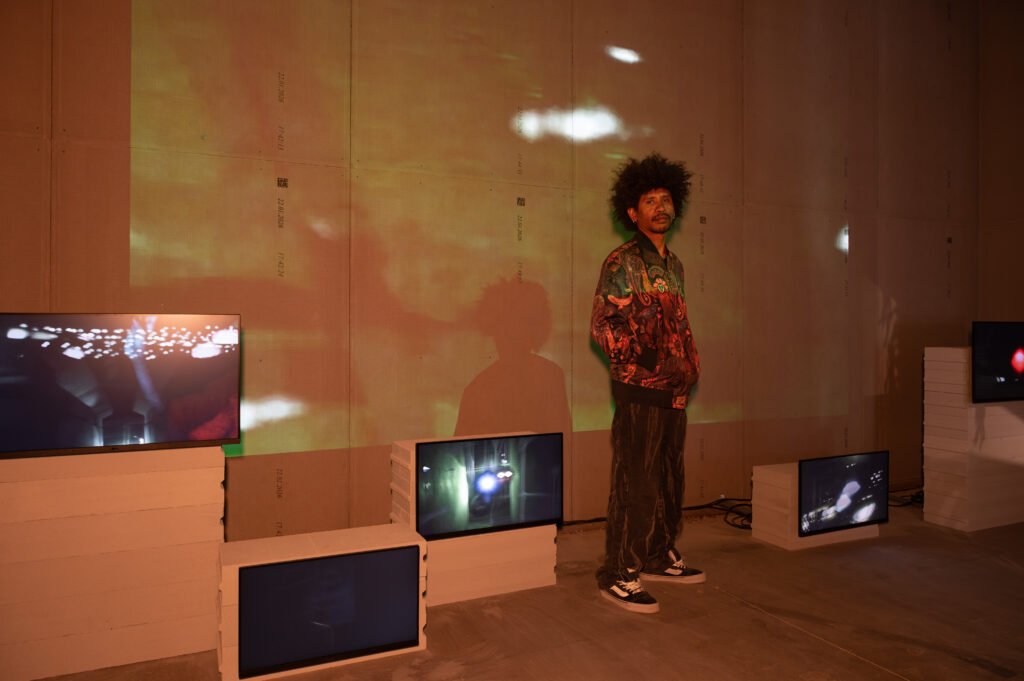
Around it, two younger artists carry the sentence forward. Etson Caminha, from Lospalos in the east of the country, was among the first students of Dili’s Arte Moris Free Art School, which opened in 2003. His experimental practice joins sound and image in live performance and sets traditional Timorese music against contemporary technology. His new soundscape, CUALE (Flow), questions whether any single language could shape a national identity. Juventino Madeira, a largely self-taught artist, moves between film, photography, poetry, dance and theatre, and is known for projection-mapped, cinematic works staged in public spaces across Timor-Leste. His video installation, Fraze ne’ebé seidauk hotu (An Unfinished Sentence), looks at a nation changing fast, and its title could stand for the whole pavilion.
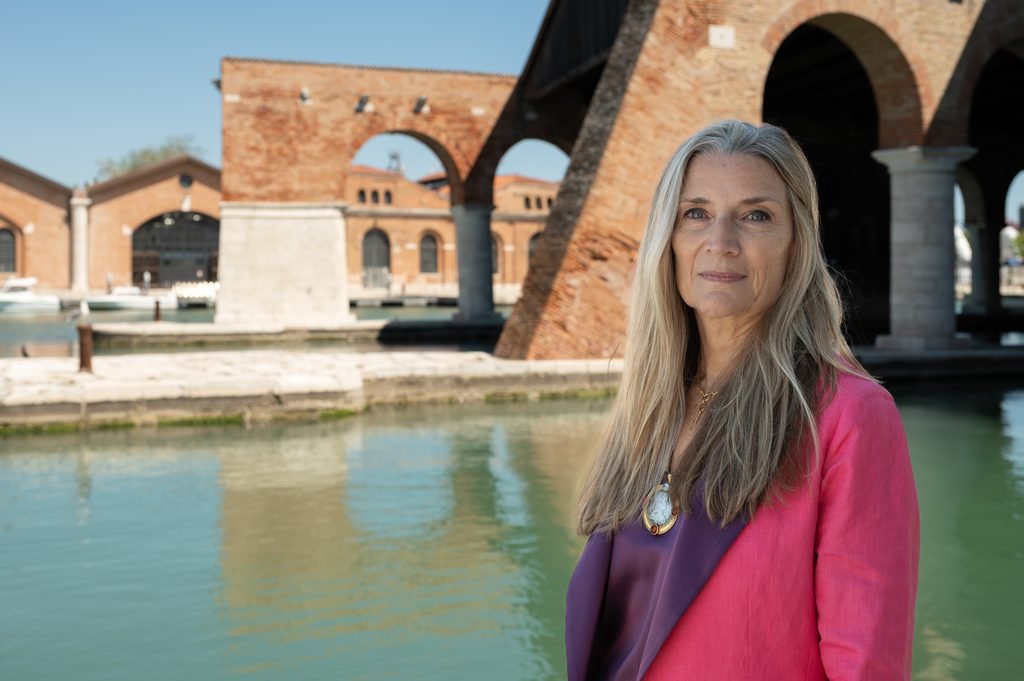
Bringing a weaver in her nineties and two younger artists into one room was the work of Loredana Pazzini Paracciani, the pavilion’s curator. She built Across Words around a single idea: that Timor-Leste does not need one language to hold together. Its people, she says, place their identity in linguistic multiplicity, and the nation’s unity is “a cohesion found across words.” The pavilion puts that argument on the wall. A woven memorial, a soundscape and a video installation each speak differently, and none is asked to translate for the others.
Her approach takes its cue from the Biennale’s theme: to amplify quiet voices and local traditions, and to approach the nation’s painful history with tenderness. Her practice has long favoured forms of knowledge that sit outside the dominant art histories, and here it becomes a refusal of a single voice. Beyond the Arsenale, an anthology of new writing on Timorese contemporary art accompanies the show. What she wants most is a change in how the country is seen. The pavilion, she says, seeks to decolonise the viewer’s gaze and open it to a “living, evolving, unfinished sentence.”
In conversation with ACF India, Loredana Pazzini Paracciani talks about the idea behind Across Words and the curatorial practice that shaped it.
Across your practice, you have consistently engaged with histories, artistic practices and forms of knowledge that sit outside dominant art-historical narratives. What continues to draw you towards these less familiar territories, and what do they make possible within contemporary curatorial practice?
Loredana: At the core of my practice is a commitment to equity and representation. When you engage with marginalized histories—such as those of displaced communities whose voices are often silenced—there is an imperative to respond. Art and culture offer a vital platform to bring awareness to these realities, as well as to overlooked histories, gender dynamics, and deeply personal narratives.
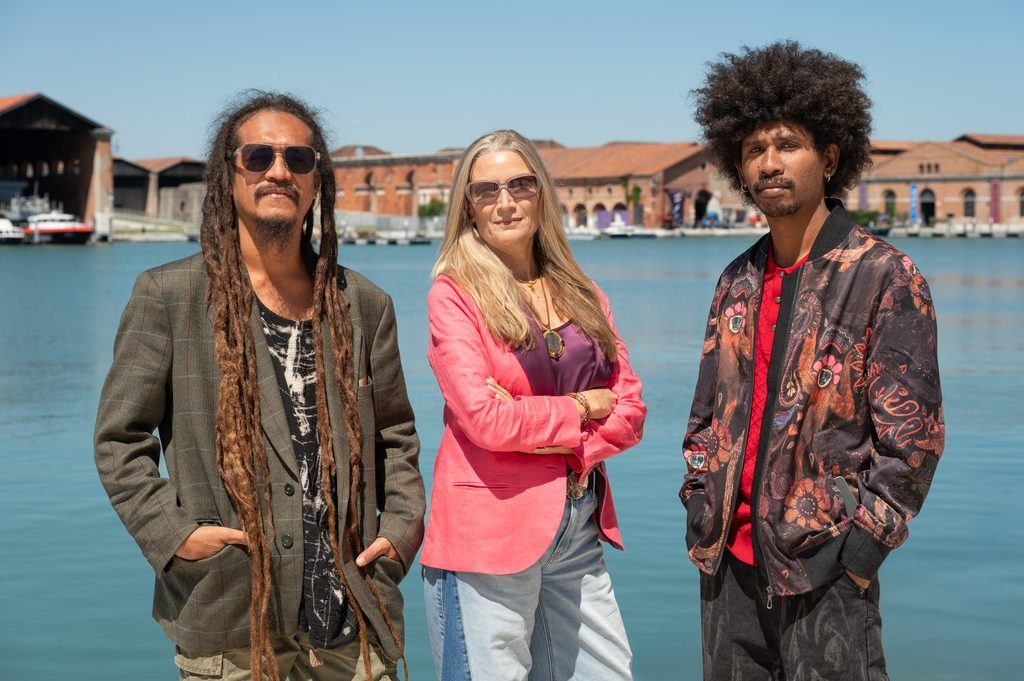
Allowing this perspective to guide my curatorial practice opens up endless creative possibilities. A clear example of this approach is my work with the Timor-Leste Pavilion at the 61st International Art Exhibition of La Biennale di Venezia. Although this marked Timor-Leste’s second official participation in 2024, this latest edition was groundbreaking in its scope. We presented artists who had never previously engaged with the international art ecosystem, including Juventino Madeira, who had never traveled outside Timor-Leste prior to the exhibition. Bringing this project to fruition required the artists to push past existing boundaries, supported by a collaborative team effort that ensured their works resonated on a global stage while remaining deeply rooted in Timor-Leste’s cultural fabric.
You work simultaneously as a curator, scholar and editor. These roles each produce different kinds of knowledge. How do they intersect in your practice, and where do they resist one another?
Loredana: For the most part, these roles intersect naturally: rigorous scholarly research forms the essential foundation for my curatorial practice, while editing and writing serve as vital tools to consolidate and articulate those ideas.
However, tension may arise in the space between research, critical writing, and artist intent. When framing an artist’s work within a broader academic context, a delicate question emerges: where do we draw the line between theoretical interpretation and the artist’s original intentions? How can a curator or writer build critical frameworks while fully honoring the artist’s voice?
In my practice, navigating this resistance requires continuous dialogue. By maintaining an open, ongoing conversation with the artists I work with, I ensure that my critical interpretation aligns with and elevates their perspective rather than imposing an external narrative upon it.
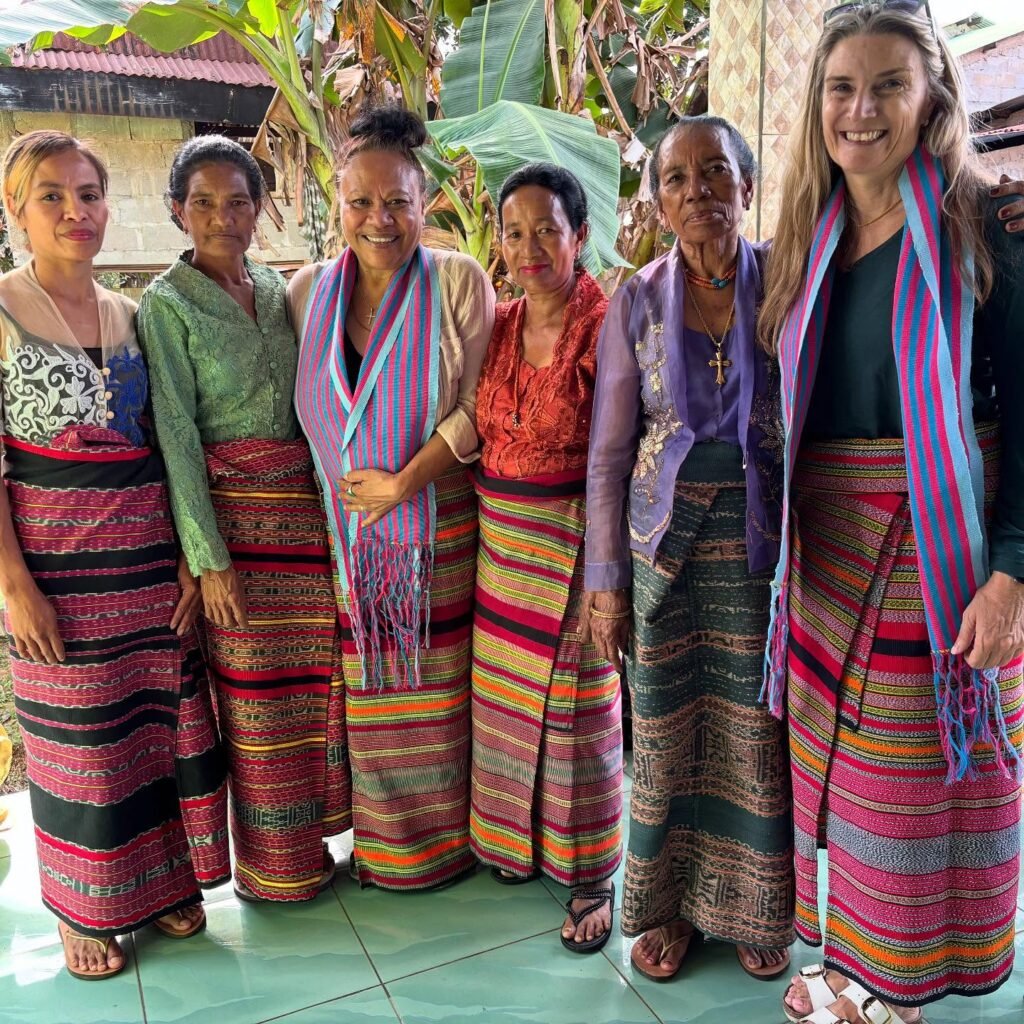
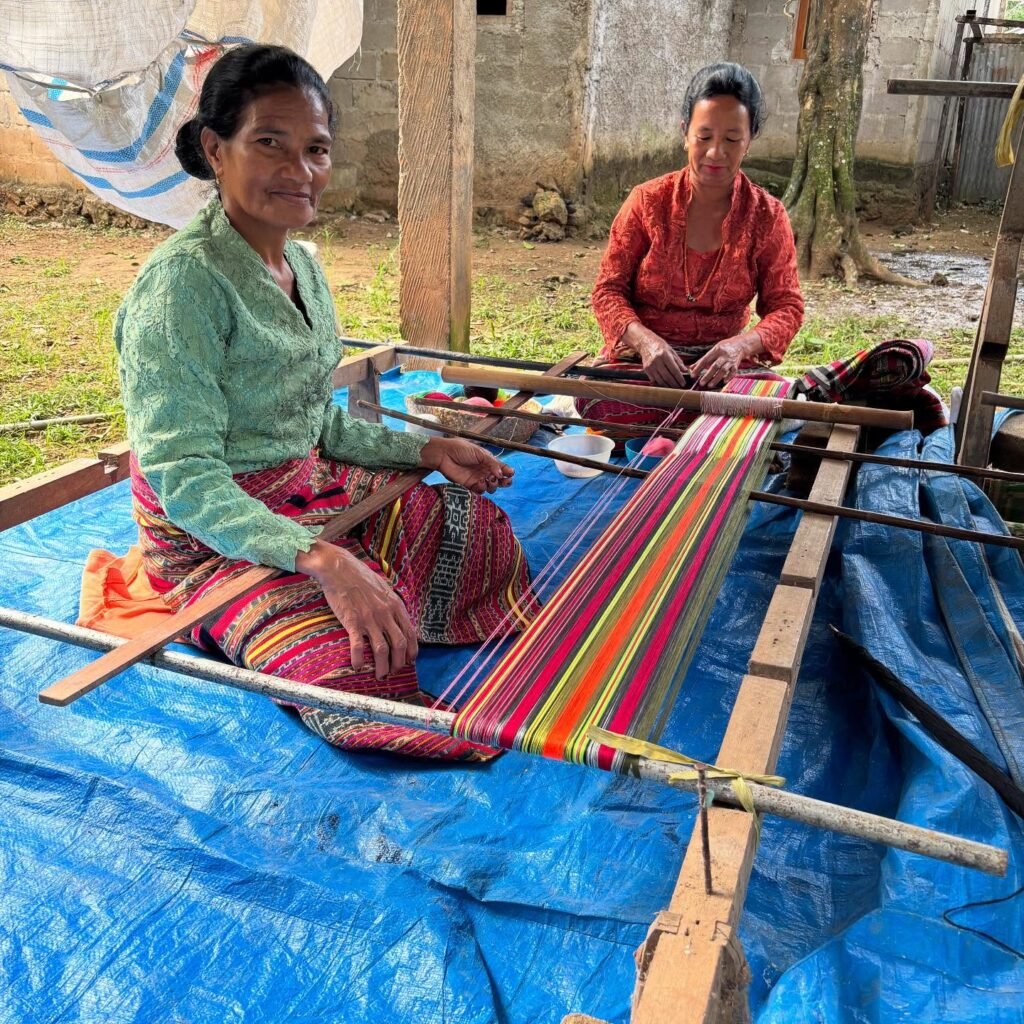
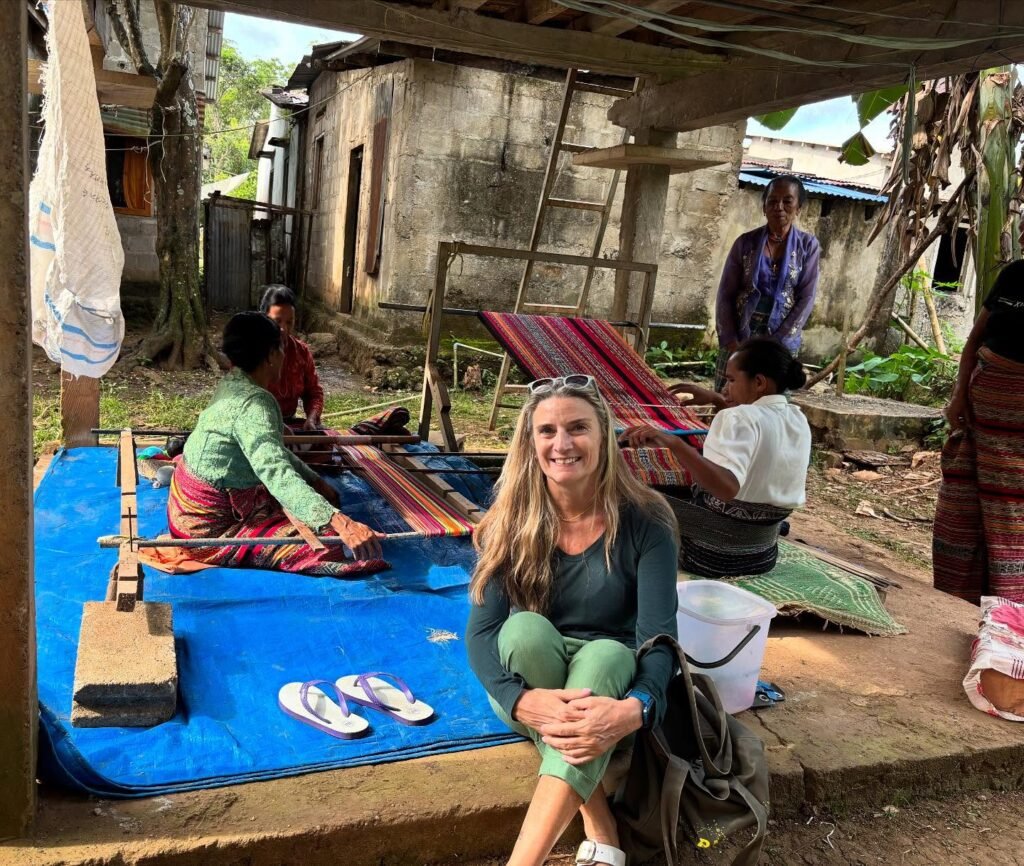
Loredana during her research trip in Timor-Leste, Image Courtesy: Loredana
Timor-Leste carries a particularly layered history of colonialism, occupation and independence, alongside a much older network of languages, customs and forms of knowledge. How did you approach the relationship between these histories without allowing one to eclipse the other?
Loredana: These are distinct, equally powerful forces that continue to coexist in contemporary Timor-Leste; in reality, it is impossible to address one without acknowledging the others. Rather than eclipsing one another in daily life, the imbalance lies in how historical narratives have been curated and disseminated internationally.
Much has been documented regarding the centuries of Portuguese colonial rule, the violent period of Indonesian occupation, and the geopolitics surrounding the Timor Gap oil reserves. Far less visibility, however, has been given to Timor-Leste’s indigenous knowledge systems, oral traditions, and intricate linguistic tapestry.
The pavilion was specifically conceived around the power of language as a fundamental marker of identity and belonging. By centering these lesser-known cultural and linguistic frameworks, my curatorial goal was to restore a long-overdue equilibrium to how Timor-Leste’s history is presented on a global stage. While political and colonial histories remain integral context, bringing traditional knowledge to the fore allows for a more holistic, nuanced understanding of the country’s living heritage.
As a curator who is not originally from Timor-Leste, how did you negotiate your own position while working with the country’s artists, histories and cultural knowledge? What responsibilities did that position place on you?
Loredana: Navigating cultural contexts outside my own is not new to my practice. Although I am Italian, I have rarely worked exclusively with Italian artists; my curatorial career has largely been dedicated to engaging with artists across Southeast Asia. In these contexts, the only way forward is through rigorous research, deep humility in learning from local colleagues and artists, and a commitment to radical transparency.
My role is not to speak for Timor-Leste, but to act as a clear, attentive conduit for the artists’ voices—framing their perspectives through a critical curatorial lens while honoring the specificity of their histories.
Working in Timor-Leste naturally presented a linguistic challenge. While my background in Romance languages allowed me to navigate Portuguese and Tetum Prasa to some extent, I was immersed in an environment shaped by over 30 distinct indigenous languages and dialects. Beyond the initial sense of bewilderment, this rich linguistic landscape became an incredible source of inspiration. Rather than viewing the language barrier as a limitation, I embraced this polyphony as a generative force—it ultimately became the foundational concept behind the pavilion itself.
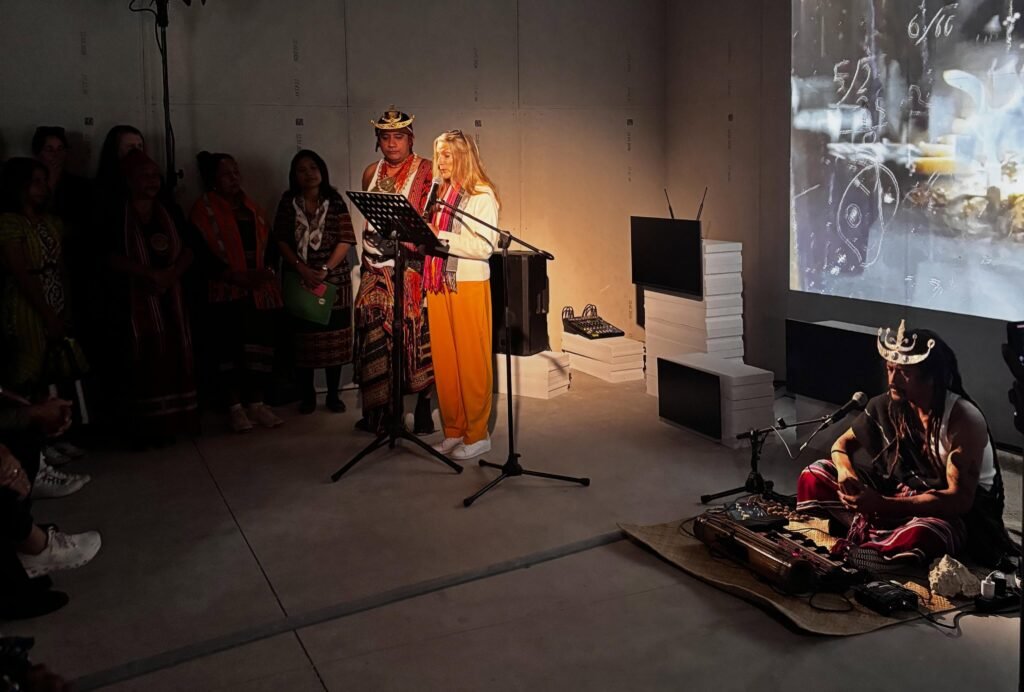
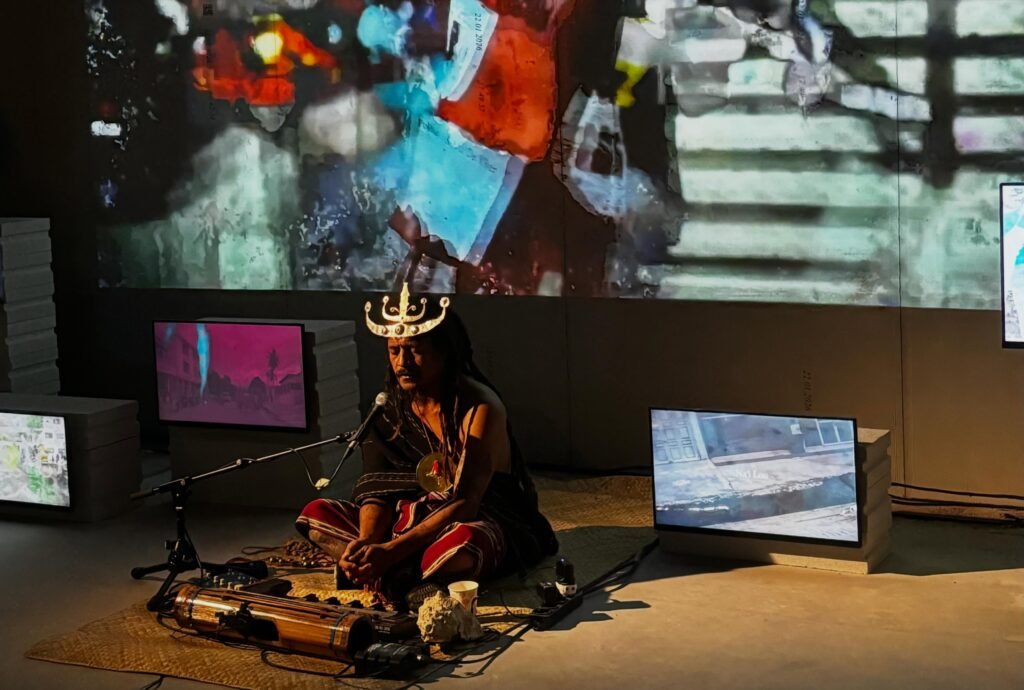
Across Words presented by Timor-Leste Pavilion opening at the Arsenale for the 61st La Biennale di Venezia, Image Courtesy: Loredana
Your work has consistently questioned Western-centric approaches to art and knowledge production. Has working on Timor-Leste challenged any of your own assumptions about how contemporary art is understood, classified or presented internationally?
Loredana: Having worked beyond Western-centric frameworks for many years, my practice naturally operates through a polycentric approach to knowledge production. The theoretical shift away from Western hegemony is already happening across global platforms, as art from Southeast Asia and other historically marginalized regions continues to gain vital prominence.
Working with Timor-Leste did not present a conceptual surprise in terms of decentralizing Western models. Instead, the real challenge lay in the practical realities of artistic production and infrastructure. Because Dili currently lacks a fully realized art ecosystem, the artists faced the dual task of developing their creative visions while working within severe technical and logistical constraints.
To bridge these resource gaps, we established cross-border support networks, partnering with technical teams in Thailand to conduct complete trial setups and quality-control tests in Bangkok prior to installation in Venice. In this sense, working on the Timor-Leste Pavilion reinforced that dismantling dominant narratives is not just a theoretical exercise; it requires actionable, intra-regional solidarity across Southeast Asia to build sustainable production pathways for emerging art scenes.
The pavilion brings together Verónica Pereira Maia, Etson Caminha and Juventino Madeira, whose practices span textile, sound and video. What drew you to each of these artists, and what did you see in their practices that made them essential to the curatorial proposition of Across Words?
Loredana: The foundational work of the pavilion is Tais Don by Verónica Pereira Maia. Prior to my first research trip to Dili in July 2025, I came across an image of this textile piece and became immediately captivated. Locating the work and connecting with the artist became my primary objective upon arrival. It was no small task—Verónica is 93 years old and lives in Darwin without internet or email access. Fortunately, she had donated Tais Don to the 12 November Commission in Dili, the official institution dedicated to commemorating the 1991 Santa Cruz massacre.
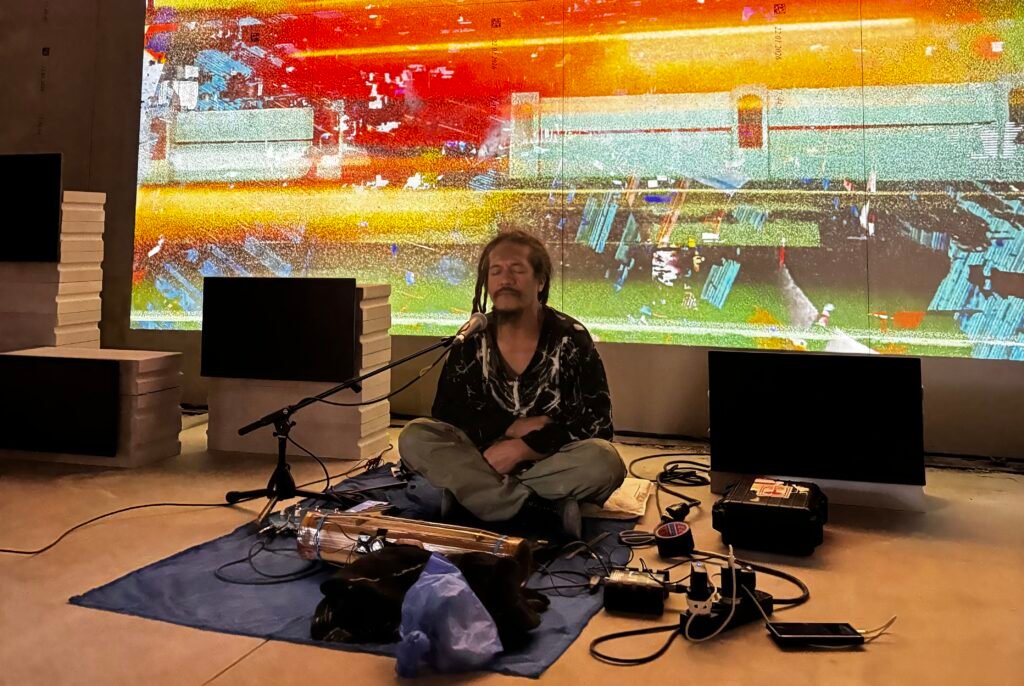
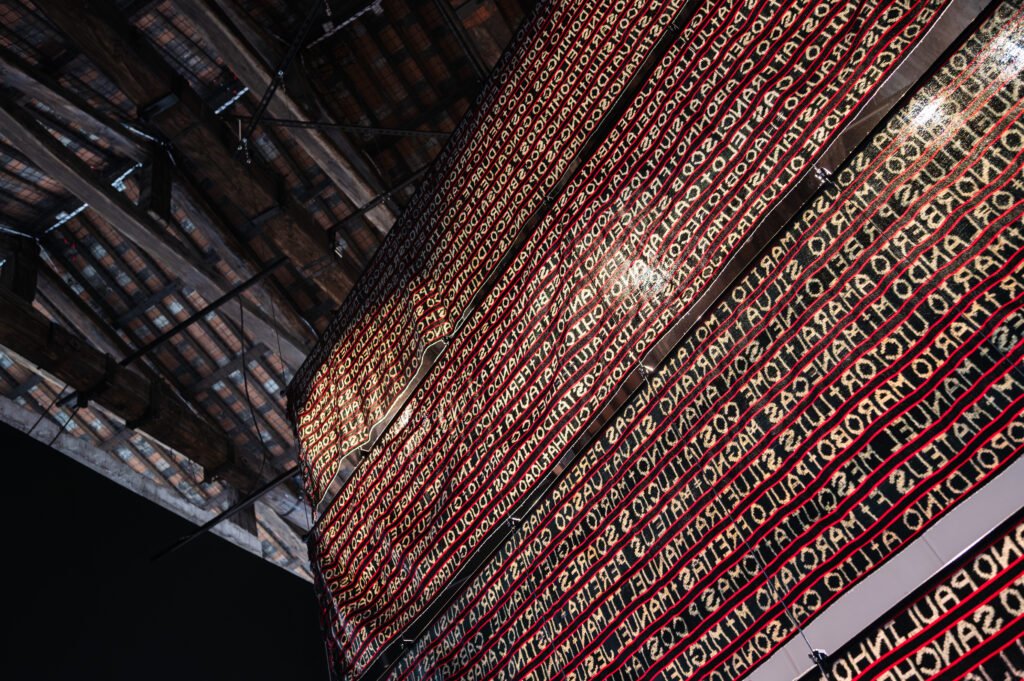
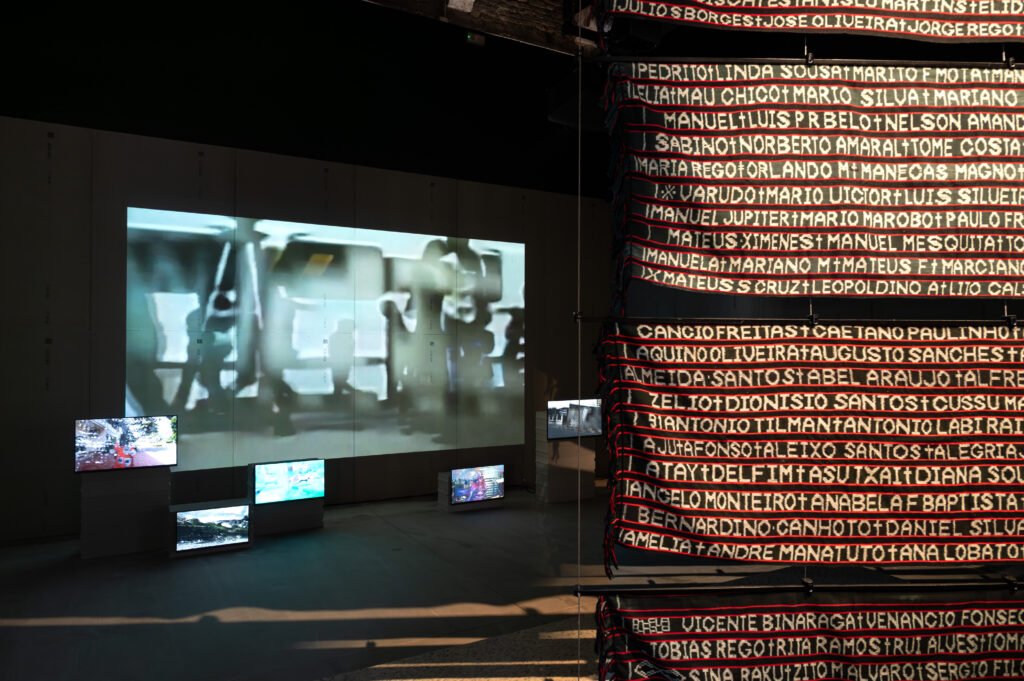
With the support of local colleagues, I secured an appointment to view the work in person. From that moment, Tais Donbecame the heart of the pavilion and the guiding inspiration for the entire project. While language was already central to my proposal, Tais Don added a profound dimension to the concept of written record: despite being illiterate, Verónica meticulously woven the 271 names of the victims of the 12 November massacre into the textile.
During that same initial trip, we launched an open call for Timorese artists across Timor-Leste and the diaspora. Through a rigorous selection process, we selected Etson Caminha for his sound practice and Juventino Madeira for his video work. Although they had previously collaborated on short, single-night events, developing ambitious new commissions for a major seven-month exhibition was a huge leap forward. Ultimately, their sonic and visual components brought dynamic, multi-sensory layers to the curatorial narrative of Across Words.
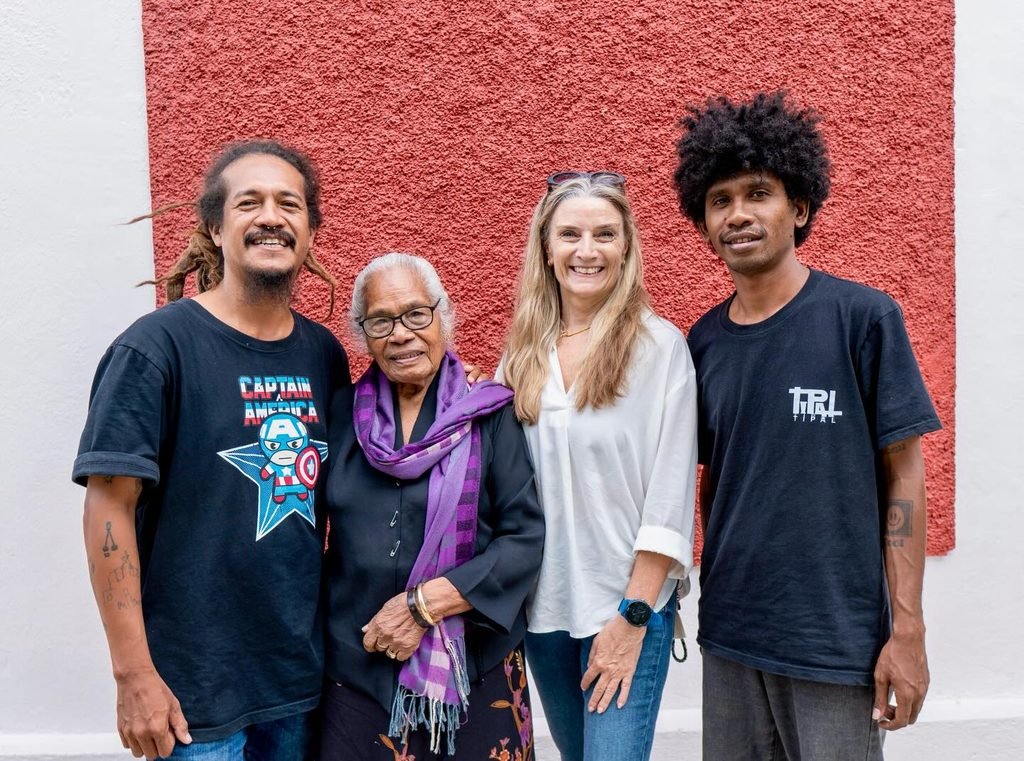
You have brought together artists from different generations, and their practices emerge from very different moments in Timor-Leste’s cultural and political history. What does that generational distance make visible about a society whose linguistic, cultural and political landscape has changed so rapidly?
Loredana: The most striking realization from working across these generations is that, at its core, the underlying fabric has not changed as much as it might appear. While Timor-Leste gained independence in 2002 and has progressed rapidly to align with its Southeast Asian neighbors within a remarkably short time, the past remains actively present in contemporary Timorese life.
Each artist embodies a distinct historical chapter: the enduring legacy of Portuguese colonial influence, the collective memory and trauma of the struggle for independence during the Indonesian occupation, and the ancestral knowledge systems that have quietly persisted through both eras. Rather than representing isolated historical periods, the generational distance reveals how these layers coexist simultaneously. Through their distinct mediums and life experiences, all three artists reflect different facets of the same enduring Timorese identity.
As a relatively young nation, Timor-Leste is still shaping many of the cultural structures through which its identity is understood and transmitted. You spoke about the importance of introducing art to younger generations in this context. What role do you believe art education can play in shaping how a young nation understands its own cultural identity and its future?
Loredana: Art education is an essential catalyst for any young nation seeking to foster critical thinking, independent inquiry, and creative agency. In Timor-Leste, where formal art schools and institutional training programs are not yet established, artists—including those featured in our pavilion—are largely self-taught. Their ability to develop distinct creative practices independently is both remarkable and brave, but sustaining and advancing this momentum requires robust cultural structures.
Encouragingly, steps are actively being taken by the Ministry of Higher Education, Science and Culture to build these foundations, including plans for a new national library and cross-border academic partnerships with regional institutions, such as those in Indonesia.
For the younger generation, art education offers more than technical training; it provides the critical frameworks needed to interrogate the present while viewing the nation’s complex history in perspective. By cultivating these spaces for reflection and expression, a young nation can empower its youth to shape its evolving identity and future trajectory on their own terms.
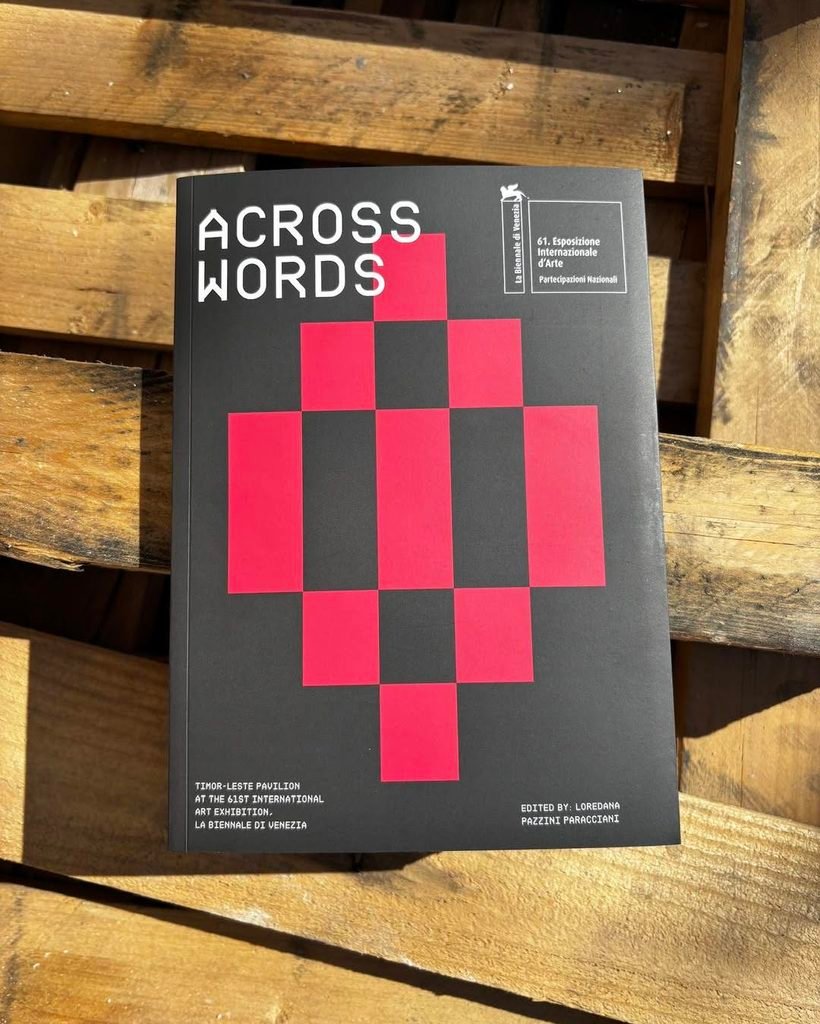
Alongside the pavilion, you have edited Across Words: An Anthology, bringing together a wider range of voices around Timor-Leste. There is something particularly interesting about placing an exhibition alongside a publication that creates space for multiple voices and forms of knowledge. How important was plurality of authorship to the way you wanted Timor-Leste to be encountered?
Loredana: This question connects directly to the ethics of curating outside one’s own country. From the outset, my primary goal was to allow Timor-Leste to speak for itself—through the visual and sensory presence of the artists in Dili and Venice, and through the diverse perspectives assembled in the written text. Plurality of authorship was not just an editorial choice; it was essential to avoiding a singular or authoritative external narrative.
The anthology and the pavilion were conceived as two halves of a single project. Designed to function both as an integrated whole and as autonomous platforms, they allow audiences to engage with Timor-Leste either through deep literary reflection or through direct immersive experience at the Arsenale. While the exhibition guides visitors through textile, video, and sound, the anthology provides a nuanced intellectual framework—offering a tapestry of voices through which contributors share their own lived experiences, research, and encounters with Timor-Leste.
After more than twenty-five years of researching and working across Southeast Asia, what remains unresolved for you? What are the questions that you still want your practice to pursue?
Loredana: One’s work is never truly complete. Contemporary art in Southeast Asia continues to rapidly shift and evolve, continually giving rise to new social dynamics and artistic strategies that demand thoughtful critical engagement.
At the same time, advocating for Southeast Asian art on the international stage remains an ongoing priority. At major global platforms like the Venice Biennale, Southeast Asian national representation remains comparatively small. There is still an urgent need for greater visibility and deeper, more nuanced dialogue surrounding non-mainstream voices from the region.
Moving forward, I want my practice to remain driven by curiosity and learning: continuing to amplify underrepresented realities, challenging established art-historical canons, and creating meaningful platforms for voices that have yet to be fully heard.


