
By Kanishka
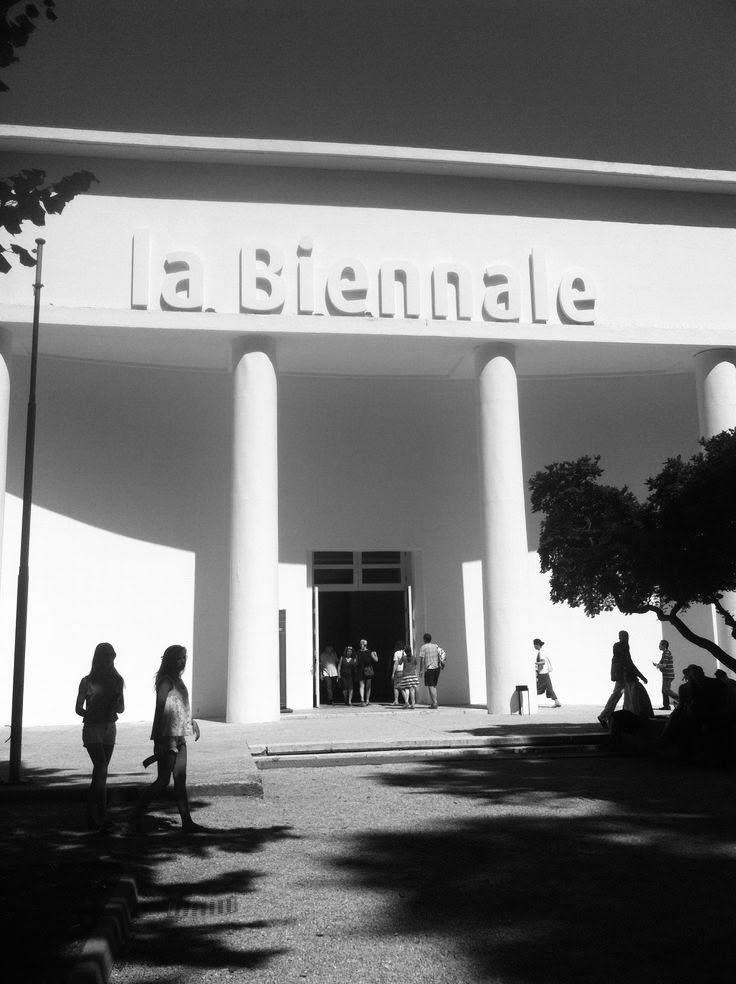
As the 2026 Venice Biennale steps away from Instagram-friendly spectacle, it asks visitors to slow down and look at art without the pressure to immediately turn it into content.
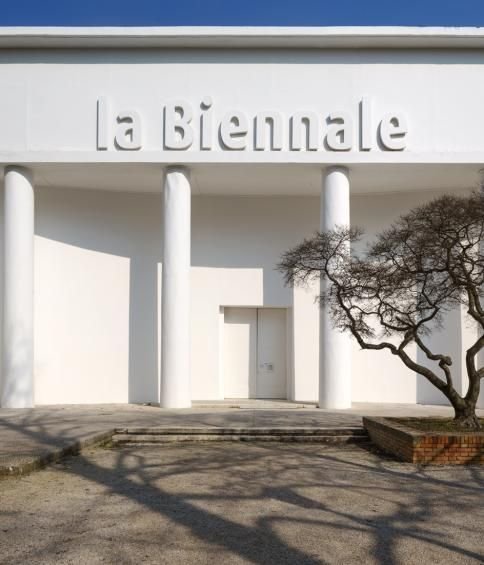
(Image credit: Andrea Avezzù)
Let’s be honest: for years now, the top art shows around the world have all followed one pretty shallow rule. If your art doesn’t look good on Instagram, does anyone care?
Giant mirrors, glowing neon statements, over-the-top-sculptures. You know the formula. People drift through shows snapping photos, always half thinking about which artwork will get the most likes, not necessarily what the work is really about.
But the 61st Venice Biennale seems tired of playing that game.
This year’s main exhibition, In Minor Keys, doesn’t really go for that quick-hit, wide-eyed kind of spectacle. It’s much more toned down. There’s less colour, less flash, less of the fun we usually expect from a big art show. Instead, the work moves at a slower pace, asking for more time and attention. It feels serious, sometimes even a little demanding. Some people are already calling it “boring.”
The whole mood of this year’s event comes with heavy baggage
Maybe that’s the point
Koyo Kouoh, the remarkable Cameroonian Swiss curator and the first African woman to lead the Biennale, crafted the concept. She died unexpectedly before things came together, so her team finished what she started. Instead of spinning the show into a glowing tribute, the curators stuck with Kouoh’s themes:
Fracture, displacement, deep uncertainty and grief.
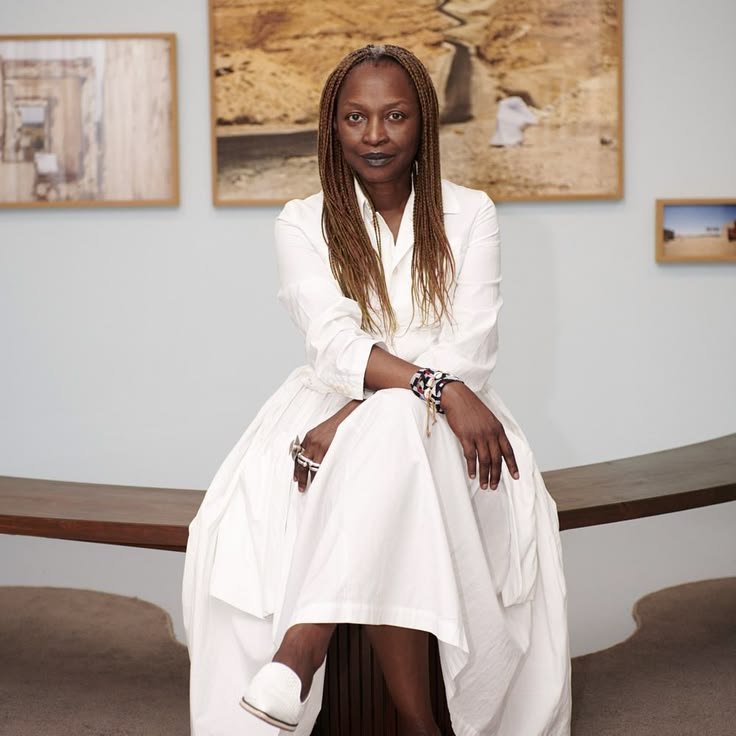
Photo by Mirjam Kluka
Courtsey of: Zeitz MOCAA / La Biennale di Venezia
The world feels splintered, so the exhibition leans into that discomfort. You walk through the Giardini and Arsenale, and instead of airbrushed spectacles, you find rough ceramics, handwoven textiles and dense research. Sometimes you’re reading, sometimes you’re just standing there, realising there’s no photo that can sum up what you’re seeing.
There’s also no way to ignore the politics swirling around the event. The 2026 Biennale is tense, to say the least. Every member of the main jury resigned, refusing to judge a competition involving countries whose leaders face charges at the International Criminal Court. Russia and Israel still made their appearances, but not without protest and pushback.
They scrapped the usual Golden Lion awards too. No expert jury deciding the winners, just “Visitor Lions” decided by a public vote at the end. That old idea of Venice as the elegant, apolitical “Cultural Olympics” feels much harder to hold onto now.The pressures of the outside world have stormed right into the pavilions. And honestly, how could a massive international art show pretend otherwise?
Art is supposed to reflect reality, and right now, reality is pretty turbulent.
If you’re standing in a gallery while nations are fighting wars, people are being displaced and governments are facing international legal action, glitzy, sponsored distractions can start to feel a bit cheap. The shiny stuff isn’t helping anyone escape. It just helps us avoid harder truths.
That’s the thing about In Minor Keys. It’s not here to dazzle. It’s pushing visitors to actually look, slow down and pay attention to what’s in front of them. No viral spectacle. Sometimes there’s just a corner with a hand stitched cloth, a heavy ceramic piece or a research folder you actually have to read. If you show up expecting a rainbow of selfie content, you’ll be disappointed. You might even get bored.
But boredom isn’t always bad.
Our lives are full of noise. Everything is brighter, bigger and faster. The art world has joined the race too. But this year, Venice refuses to do the expected.
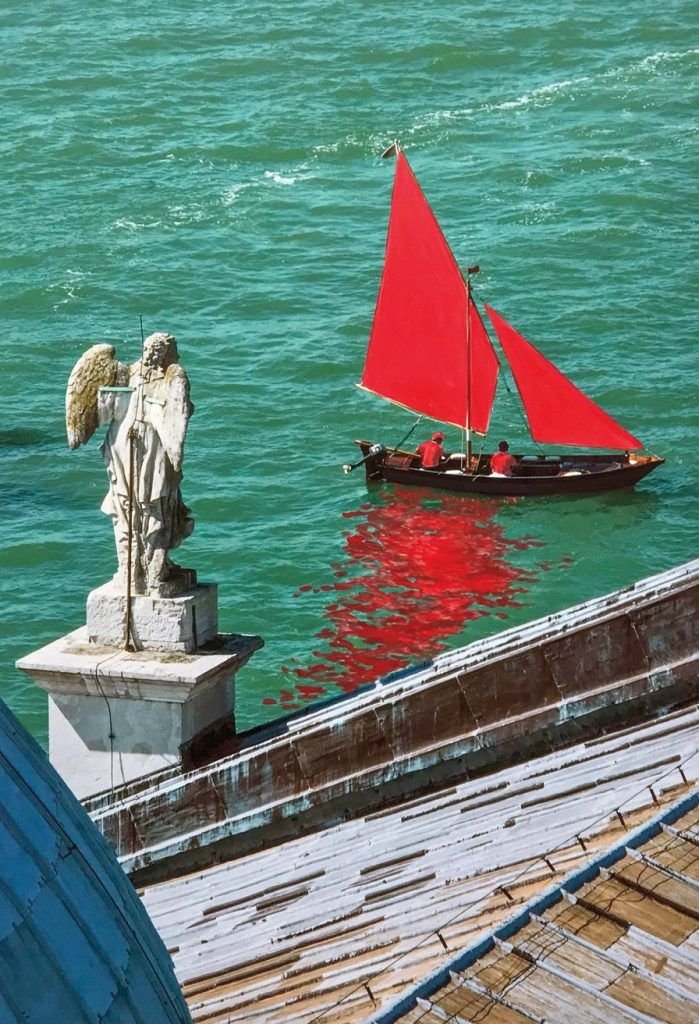
Staged in the Venice Lagoon to coincide with the 58th Venice Biennale
Photo: Matteo De Fina
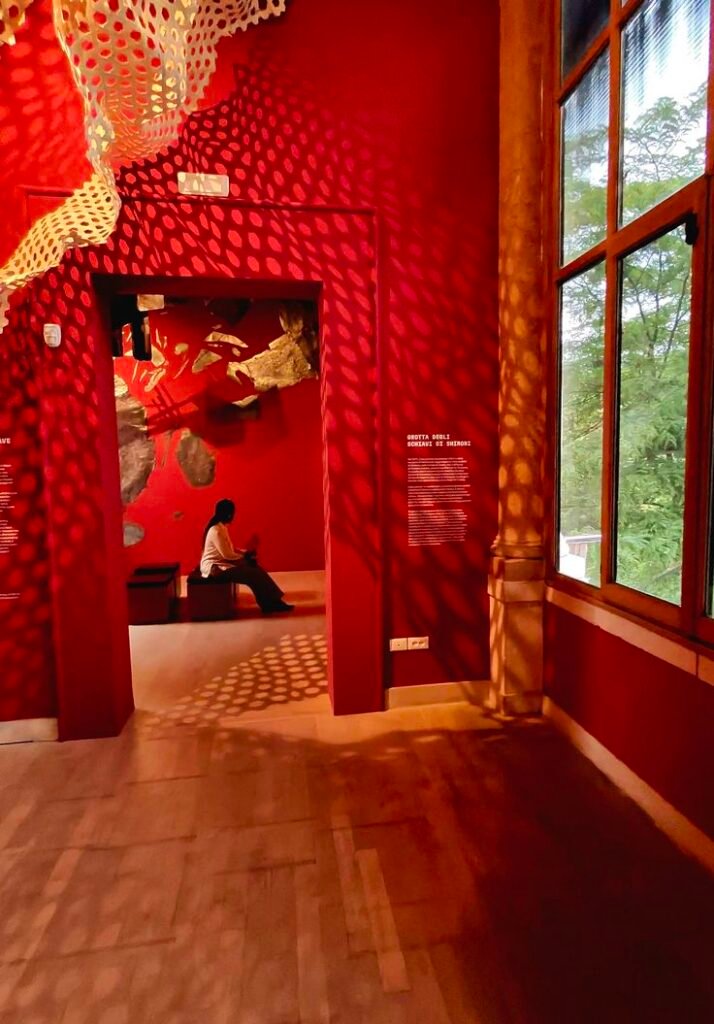
Photo: Chris Lane / Courtesy of British Council
Not every piece of art was made to be a backdrop. Not every show should chase that post worthy rush. And art doesn’t owe your phone anything. So the 2026 Venice Biennale? No, it’s not the flashiest edition. It might just be the opposite. But in a year where spectacle is everywhere, there’s something bold, and honestly refreshing, about an art show that’s willing to stay quiet.
” Sometimes power lives in Minor Keys”


